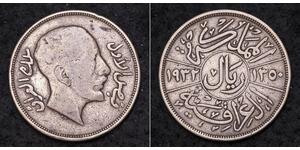
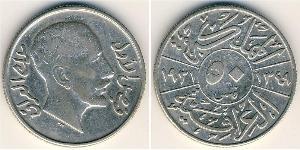
| Faisal I of Iraq | Link to Wikipedia |
Faisal I 1885–1933: History and Coinage
Introduction to Sovereignty and Struggle
Faisal bin Hussein was a pivotal figure in Arab history, serving as the King of Iraq from 1921 until his death in 1933. A member of the Hashemite family who led the Great Arab Revolt against the Ottoman Empire during World War I, he represents a unique chapter where modern nation-states were forged amidst imperial transitions. For history enthusiasts studying the First Half of the Twentieth Century, Faisal offers more than just royal lineage; he is central to understanding how independence movements reshaped geopolitics in Iraq and Syria after 1920.Relationship to Coinage
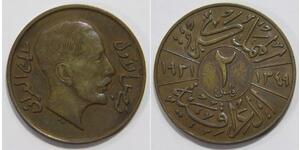
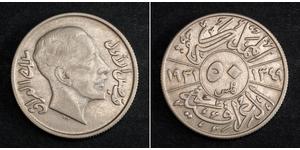
The numismatic legacy of Faisal I dates back to a complex period defined by the British Mandate for Mesopotamia. Coins produced during this era, specifically between his accession in 1921 and Iraq's entry into the League of Nations in 1932, reflect the transition from colonial administration to sovereign independence.
Faisal appeared on currency as a symbol of local unity under British protection before full sovereignty was achieved. While he ruled simultaneously with other mandates like Syria, his primary coinage connection remains tied to Iraq's minting efforts during this developmental phase. Collectors examine these pieces not merely for their portraits but for the specific legends and iconography that marked the end of foreign rule over a newly independent Arab nation-state.
Why Collectors Value These Coins
Coinage associated with Faisal I is sought after by collectors interested in state-building narratives. The historical context behind these pieces provides insight into how Iraq was established as an international player, moving from the Paris Peace Conference agreements to independence.
- Historical Context:Coinage serves as a frozen moment in history. Collectors value items associated with Faisal because they physically embody the shift from colonial mandate to Arab sovereignty.
- Pan-Arab Symbolism:The currency of his reign often reflected early attempts at Pan-Arab unity between Sunni and Shia regions, adding cultural weight beyond standard face values.
- Educational Value:These items are essential resources for those studying the Middle East's modernization. They provide a tangible link to the era of reconstruction following World War I, making them ideal educational artifacts.
To explore this aspect of history is to examine how metal and minting technology preserved political change in Iraq.