| Count Hieronymus von Colloredo (1732 - 1812) | Link to Wikipedia |
Count Hieronymus von Colloredo 1732–1812: History and Coinage
The Archbishop and His Era
Born in Vienna, Count Hieronymus von Colloredo was a pivotal figure of the late eighteenth-century Holy Roman Empire. As Prince-Archbishop of Salzburg from 1772 until its secularization in 1803, he presided over an era defined by Enlightenment reforms known as Josephinism. Unlike his predecessors, Hieronymus embraced modernizing changes to religion and administration while maintaining strict ecclesiastical authority. His tenure is historically marked not only by architectural developments but also by a famous conflict with Wolfgang Amadeus Mozart in the court orchestra.
Hieronymus governed until Napoleon's forces forced him into exile, ending his secular rule in 1803 despite remaining the spiritual leader of the region thereafter. This transition from sovereign ruler to non-resident archbishop encapsulates a significant shift in European politics where church and state powers began their irreversible separation.
Numismatic Presence
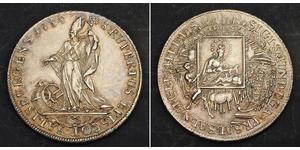
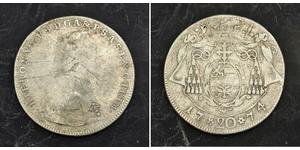
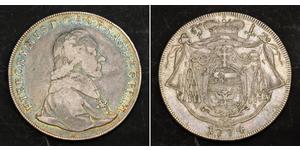
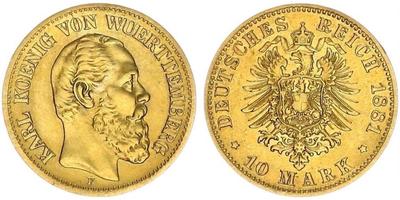
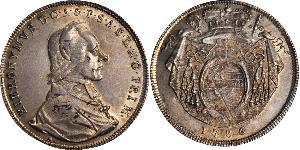
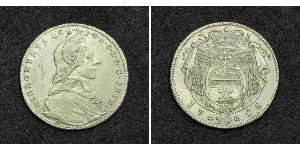
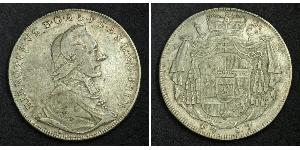
The coinage associated with Hieronymus stems directly from his status as a secular Prince-Archbishop. During the period between 1772 and 1803, the Archdiocese of Salzburg operated its own minting authority independent of direct Habsburg imperial oversight. While he was not an emperor or king in the grand sense, local Thalers and smaller denominations were struck during his administration to mark these specific ecclesiastical territories.
Typically, coins from this period carried legends indicating "Count Colloredo" alongside religious symbols such as papal arms crossed with bishop's mitres. These issues represent a brief window where an archbishop possessed full sovereign rights over coinage production within the German mediatization process before Bavaria and Austria absorbed Salzburg post-1805.
A Collector’s Perspective
Hieronymus von Colloredo coins are prized by enthusiasts for their historical narrative rather than market value. Collectors seeking these pieces look beyond standard imperial issues to find artifacts that document the twilight of a church-state system in Central Europe. Because his rule ended abruptly with secularization and exile, many items bearing his profile from this specific window represent rare transitional objects.
The primary reasons for collection include:
- Historical Rarity:
Finding currency that marks the immediate pre-Napoleonic reforms in Salzburg is uncommon compared to broader imperial issues. These coins help visualize a time when religious leaders held temporal power.
The Value of Understanding Context
- Cultural Significance:
Possessing these pieces aids in visualizing the cultural transition away from feudal church structures toward modern nation-states. Each coin tells a story of political change, reflecting how Hieronymus's reforms were funded and circulated within his domains before Vienna ultimately reclaimed control following secularization.