| Gotthold Ephraim Lessing | Link to Wikipedia |
Gotthold Ephraim Lessing (1729–1781): History and Coinage
Gotthold Ephraim Lessing stands as a towering figure of the German Enlightenment. A multifaceted intellectual who excelled as a philosopher, critic, and dramatist, he revolutionized theatre in Hamburg by championing dramatic realism over rigid French neoclassical rules. His works laid the groundwork for modern bourgeois drama, influencing generations of playwrights from Goethe to Heine.
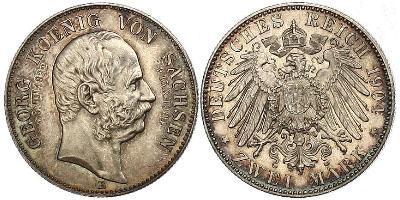
The question often arises why literary figures like Lessing appear so rarely on state coinage compared to monarchs or military leaders. In 18th-century Prussia and Germany, circulating currency was almost exclusively reserved for ruling dynasties as symbols of authority. Unlike the later depictions of Frederick II (Frederick the Great), portraits depicting thinkers were uncommon in daily circulation. However, less than two centuries after his death, German states issued special commemorative medals to honor their cultural heritage.
H1: Relationship to Coinage
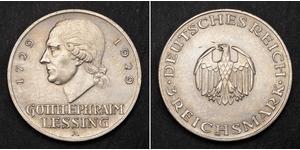
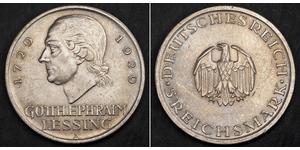
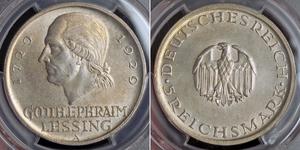
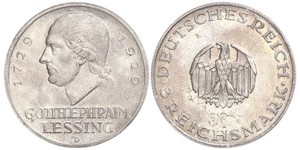
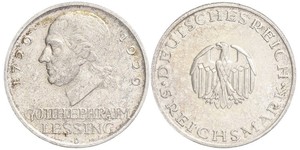
The coinage connection for Lessing is not found in high-mintage Thalers or Kreuzers of his lifetime but rather in posthumous medallions and modern numismatic issues. During the Enlightenment era, the Prussian court often issued medals celebrating intellectual achievements alongside royal authority. While Lessing never appeared on a standard state-issued coin during his life—unlike contemporaries who held office—he was eventually immortalized through limited-run bronze or silver pieces honoring German theatrical history.
Certainly, numismatic issues related to the Herzog August Library in Wolfenbüttel may have featured Lessing's likeness as a patron of arts. Collectors often encounter these on modern commemorative series celebrating "Cultural Icons," issued by regional governments or historical societies seeking to honor his contributions to freedom of thought.
H1: Why Collectors Value These Coins
Coin collectors who specialize in German numismatics prize items related to Lessing for their rarity and educational context. Because he was never a ruler, coins or medals featuring him usually signify cultural reverence rather than state power, offering insight into how nations honor the arts.
The scarcity of these issues adds significant depth to specialized collections focusing on historical figures. Collectors are drawn not merely by metal content but by what they represent: the shift from religious dogma toward freedom of speech and drama. Possessing a Lessing medallion serves as a physical connection to the intellectual ferment that defined 18th-century Europe, distinguishing these pieces from more common monarchical portraits in private cabinets.