| Abdul Hamid I (1774 - 1789) | Link to Wikipedia |
Abdul Hamid I (1725-1789): History and Coinage
Welcome to a closer look at Sultan Abdul Hamid I, who ruled the Ottoman Empire during one of its most transformative yet challenging periods. From 1774 until his death in 1789, he led an empire facing economic strain and rising pressure from European powers like Russia and Austria. Although often remembered for the loss of Crimea following military setbacks, Abdul Hamid I was a devout monarch deeply committed to religious duty and pacifism when given the chance.
The Numismatic Signature
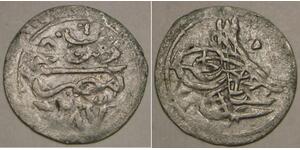
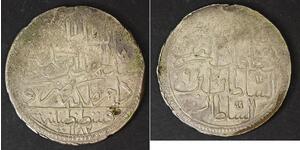
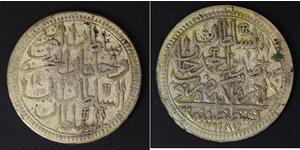
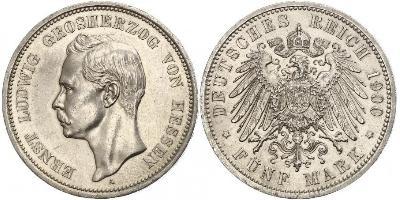
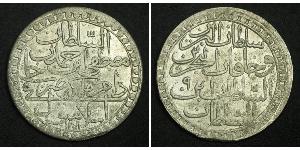
To understand his place in numismatics requires context regarding Ottoman traditions. Unlike European monarchs of the 18th century, who frequently displayed their facial portraits on currency to emphasize personal authority and lineage, the Ottoman Empire adhered strictly to aniconic practices during this era. Coins were not standardly embossed with faces.
Instead, Abdul Hamid I's rule was visually represented through his Tughra, a complex monogram that served as both a signature of imperial authority and a seal of legitimacy. The name "Abdülhamid" appeared alongside religious calligraphy on silver akçe and gold coins. This distinction is vital for collectors: while there are no common portrait medals or copper pieces from his lifetime featuring his visage in the Western sense, commemorative items were struck to mark specific events like naval reforms.
The absence of a face does not diminish their historical value. During this transition period, coinage reflected an empire still clinging to its identity despite territorial losses and external treaties. Numismatists study these pieces specifically because they bridge the gap between traditional Islamic minting styles that would soon evolve into Western-style designs under later sultans.
The Collector's Perspective
- Historical Context: These coins offer tangible links to a final era of peace for Abdul Hamid before the war with Russia, capturing his legacy as a reformer who sought military modernization despite limited resources.
- Rarity and Preservation: High-grade examples from this decade are scarce due to economic instability during his reign. This scarcity makes them desirable for specialized Ottoman collections seeking integrity between 1774-1789.
- Aesthetic Calligraphy: The artistry of the Tughra serves as a visual representation of statecraft, offering intricate designs that rival contemporary European engraving techniques before he was deified in later narratives by some sources.
Owning or examining these pieces allows enthusiasts to appreciate how an empire maintained its fiscal identity during times of political crisis. For any collector studying the decline and modernization of major world powers, Abdul Hamid I provides a crucial narrative moment where tradition met inevitable change.