

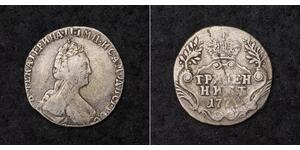
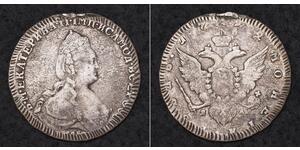
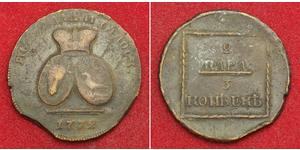
| Charles XIII of Sweden (1748 - 1818) | Link to Wikipedia |
Charles XIII (1748–1818): History and Coinage
CHARLES THIRTEEN OF SWEDEN,
Born into royal lineage yet destined for a turbulent ascent to power, Charles XIII stands as a pivotal figure in the history of Northern Europe during the late 18th century. His early life was marked by political maneuvering within Sweden’s court factions before he assumed responsibility at a young age following his father's death. After serving under regency and supporting his brother Gustav III through critical coups, Charles eventually ascended to full authority upon becoming King in 1792 as Regent for the minor nephew of assassinated monarchs.
The political landscape shifted dramatically after a major coup d'état later known as Acta Securitatis which forced constitutional changes. He served as regent until his reign officially began under new conditions in 1809 and became King of Norway from 1814 onwards where he held the name Charles II there.
Relationship to Coinage
The monetary landscape during this period reflected the instability inherent with changing monarchies. Sweden minted crowns, daler denominated pieces which circulated widely under his rule for nearly a decade until 1809 or later in Norway after union formation. While few coins were struck specifically as Regency issues compared to earlier eras of absolute monarchy before he ascended again.
Why Collectors Value These Coins
- The simplicity of the portraits offers distinct study points for early 19th century engraving techniques employed by state mints across Scandinavia. This era represented a transition from ornate baroque designs to classical neoclassical styles seen on coins issued under him.
Collectors appreciate these issues as tangible artifacts of the end of an ancient royal dynasty before transitioning into new dynastic rules introduced with foreign heirs later in 19th century. The historical weight attached to Charles III reign provides essential context for understanding monetary systems during Napoleonic Wars which threatened trade routes connecting Swedish and Norwegian merchants directly.
Historical Context
- Understanding these coins allows enthusiasts to visualize the political realignment from absolute rule toward constitutional monarchy that characterized this era in Sweden's history, providing a clearer picture than standard biographies alone can offer without visual aids found on metallic currency issues preserved today. The practicality of his coinage reflects pragmatic statecraft rather than lavish royal excess typical previous centuries making them more accessible for study and educational interpretation by novice collectors interested in European monetary evolution.
These pieces serve as historical documents linking economic policy to political sovereignty where the face on a crown tells the story beyond written chronicles alone.


