| Frederick William IV of Prussia (1795 - 1861) | Link to Wikipedia |
Frederick William IV of Prussia (1795–1861): History and Coinage
Frederick William IV ascended to the throne as King of Prussia in 1840, inheriting a nation on the brink of profound transformation. His reign is defined by his identity as a "Romanticist," who viewed governance through a lens of divine right rather than strict constitutionalism derived from revolutionary ideals born during the French Revolution era. Born into turmoil following Jena–Auerstedt in 1806, he fled to Königsberg before returning with a hardened sense of tradition. When his mother passed at age fourteen, Frederick interpreted it as divine punishment for failing her spiritual wishes.
This personal crisis deeply influenced his political conservatism during the mid-nineteenth century German nationalist uprisings. Although initially lenient toward liberal reforms and easing press censorship to stabilize the realm, he ultimately resisted parliamentary power proposed by the Frankfurt Parliament in 1849. Instead of a federal empire that challenged sovereignty over monarchs' rights, he preferred maintaining historical continuity through conservative estates governance. His refusal to adopt imperial titles solidified his legacy as a figure who preserved Prussian dignity amidst the turbulent unification process.
Relationship to Coinage
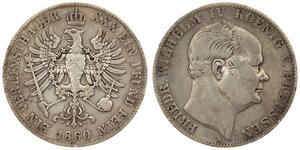
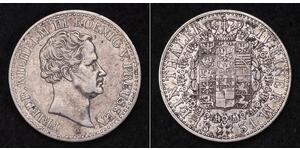
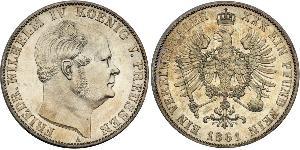
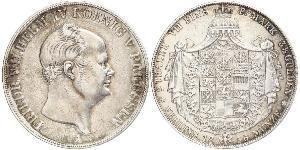
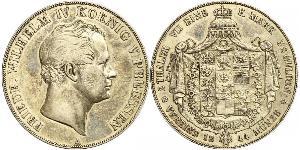
During this period of political volatility, the state mint issued silver thalers and gold coins bearing Frederick's likeness between 1840 and 1861. These issues were produced in Berlin before Prussia fully adopted standardized currencies later under German Empire unification efforts post-1871. The portrait served to reinforce his authority during times of revolution, visually asserting the monarch's legitimacy without requiring liberal compromise.
The designs often reflected his artistic patronage; just as he funded architectural projects like Museum Island with architect Karl Friedrich Schinkel, coin engravers aimed for high aesthetic standards befitting a cultured king. Consequently, coins minted during this specific era differ from earlier Napoleonic-era pieces or later German marks by featuring softer, more romanticized profiles that reflect the cultural shift toward heritage over industrial modernity.
Why Collectors Value These Coins
- Historical Pivot Point:
- Cultural Artistry:
- Rarity of Pre-Unification Types:
These coins encapsulate a specific chapter in German history where tradition met change. They bridge the gap between feudal absolutism and early constitutional monarchies.
As an artistic patron, Frederick supported high-culture standards that elevated his coinage design quality compared to contemporaneous sovereign issues elsewhere in Europe during 1850s silver standardization.
High-quality specimens from the Prussian mint before unification are prized for their distinct iconography that ceased shortly after his death and subsequent regime changes under Wilhelm I.