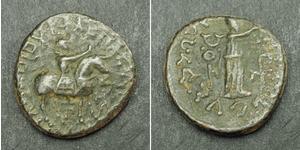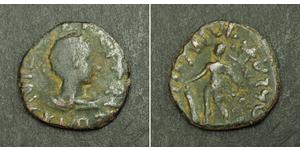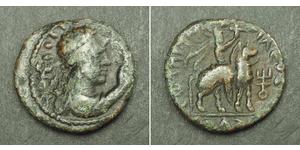
| Vima Takto | Link to Wikipedia |
Vima Takto (c. 80 CE – 90 CE): History and Coinage
In the vast tapestry of ancient Central Asia, few names resonate as profoundly as Vima Takto. As a Kushan emperor reigning during the first century of the Common Era, he presided over an empire that stretched from Bactria to northwestern India and reached towards China along the Silk Road.
A Royal Mystery Solved
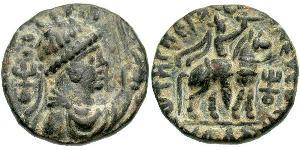
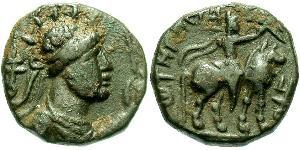
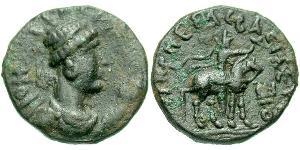
Vima Takto's historical profile is fascinating because for centuries his identity remained obscured by a veil of anonymity. His coinage was minted bearing only the generic title The King of Kings, Great Saviour. It took the discovery and translation of epigraphic records to definitively link these coins with his name.
The Context of Empire
A significant figure in Kushan genealogy is evidenced through inscriptions found at Kanishka's time, which traces a lineage connecting him back through Kujula Kadphises. These connections anchor the coinage within a specific dynastic framework rather than generic royalty.
During his rule, diplomatic relations flourished with Han China embassies reaching Eastern Han imperial court directly from Bactria. The Kushan presence was also asserted deep in the Tarim Basin, highlighting Takto's role as an architect of transcontinental influence who expanded northwestern India territories significantly during that specific period.
The Collector's Perspective
Collectors are often drawn to Vima Takto for several nuanced reasons beyond simple scarcity. The historical importance lies in bridging numismatic evidence with written records found at Rabatak, creating a direct link between physical currency and imperial history.
- Epic Origins: Finding a coin previously called "nameless" transformed into an identified emperor adds layers of narrative depth to any collection focusing on ancient Central Asia. These early Kushan pieces serve as precursors to the standardized types seen under subsequent rulers like Kanishka, offering insight into how minting styles evolved.
For enthusiasts examining ancient currencies, Takto offers more than a monetary standard; he provides access to the narrative of an empire expanding westward while securing its eastern borders.