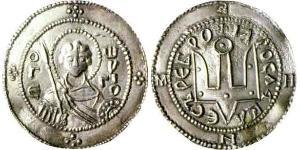
| Yaroslav the Wise (978 - 1054) | Link to Wikipedia |
Yaroslav the Wise (c. 978 – 1054): History and Coinage
Grand Prince Yaroslav Vladimirovich stands as a colossus in medieval Eastern Europe, uniting principalities between Novgorod and Kiev to forge Kievan Rus' into a powerful empire. Born around the late tenth century, his baptismal name George after Saint George distinguished him from the lineage of Vladimir the Great. His reign solidified Slavic statecraft during an era comparable in significance to contemporary dynastic houses across Byzantium or Western Europe.
He famously united the principalities for a time and passed laws that codified justice in lands ranging from Rostov on the Volga to Chernigov near the Black Sea. His focus extended beyond domestic peace; he formed alliances with Scandinavian countries and weakened Byzanine influence by establishing strongholds like Yuryev (Tartu). Yaroslav married Ingegerd Olofsdotter, securing European royal connections for his children who subsequently ruled various parts of Kievan Rus'. He also patronized the construction of Saint Sophia Cathedral in 1037 and promoted Old East Slavic literature. His legacy is defined by a foundation of unity among his children emphasizing peace after death.
The Numismatic Legacy
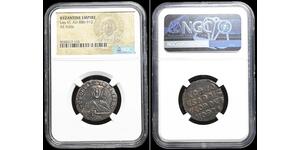
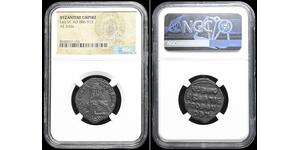
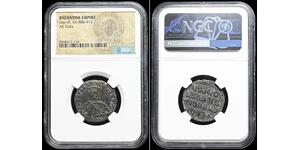
To understand this historical figure through coinage, one must examine the economic structures of his administration. While direct portrait coins bearing images similar to Western Roman or Imperial depictions were uncommon in Kievan Rus', silver minted during his era holds immense value for numismatists investigating early Slavic trade.
- Mint operations flourished under the Novgorodian court, utilizing these groats for international exchange along river routes connecting Scandinavia and Byzantium. Trade was vital as Yaroslav focused on alliances rather than reliance solely on coinage flow. Inscriptions often identified Rus' authority without personal likenesses.
Rare surviving specimens from his administration provide physical evidence of economic independence from neighboring monarchies like Poland or Hungary, reinforcing the state's sovereignty during diplomatic struggles against nomadic tribes such as Pechenegs and defending trade interests along established paths. Posthumous medals and commemorative items feature him alongside saints derived from legends recorded in Norse sagas.
Solemnizing History Through Metal
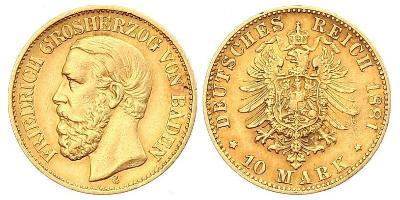
Beyond standard circulation, medals issued centuries later solidified his image for modern enthusiasts seeking connections to medieval history. These posthumous pieces often utilize imagery reflecting the unity among children or the cultural patronage of architecture seen at Saint Sophia.
- The rarity of early Slavic coinage makes each example a unique window into tenth-century governance and cultural identity formation across East Slavs territory.
Possessing these pieces supports research on how economic power shaped political unification, bridging the gap between Vladimir's death in 1015 and later dynastic shifts under his descendants who ruled various parts of Kievan Rus'. Exploring these objects deepens understanding not merely as artifacts but as symbols of a complex legacy where history is etched in precious metals across centuries.