| Vespasian (9-79) | Link to Wikipedia |
Vespasian (9 AD – 79): History and Coinage
In the aftermath of a turbulent civil war known as the Year of Four Emperors, Vespasian emerged to restore stability to Rome after years of political chaos following Nero's death in June of sixty-eight. Born on November seventeenth in Falacrinae into an equestrian family with humble beginnings near Ansedonia Italy today he rose from obscurity serving under Caligula and Claudius before securing power when legions declared him leader during the turmoil.
During his ten-year reign until June twenty-third, seventy-nine AD, Vespasian founded the Flavian dynasty through fiscal reforms that rebuilt public finances destroyed by previous extravagances of earlier rulers like Vitellius. He suppressed revolts in Judea and expanded imperial authority across Britain via Agricola before passing leadership to his eldest son Titus, establishing a lineage of natural succession rare at this period following chaotic regencies.
Relationship to Coinage
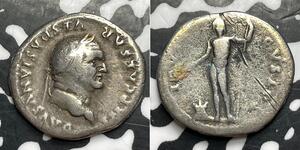
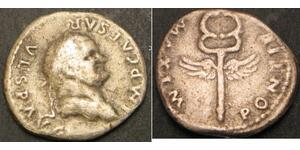
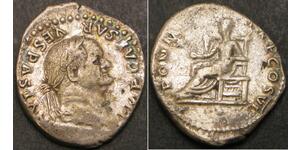
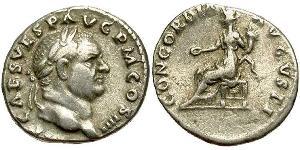
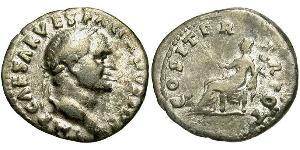
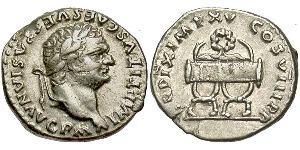
The Roman Empire issued coins bearing Vespasian's portrait during his lifetime alongside posthumous pieces commemorating the dynasty legacy. These metallic advertisements circulated across Britannia and Judaea regions advertising imperial unity after years of conflict where soldiers received pay directly from state minting facilities under strict oversight.
Coin portraits placed on metal currency emphasized stability over youthful idealization contrasting sharply with predecessors who favored exaggerated depictions meant to distract from political weakness during transition periods. The Roman government utilized these issues as propaganda tools showing legitimacy gained by legions while he commanded forces in Pannonia and Egypt before returning capital Rome.
Why Collectors Value These Coins
Enthusiasts value these artifacts because they represent a tangible link to the financial recovery efforts that underlined Vespasian's political legitimacy among veteran armies who had declared him emperor without Senate vote at first instance later ratified by assembly members.
Coin portraits depict an aging ruler reflecting his mature experience during crucial reconstruction phases rather than youthful appearance associated with Julio-Claudian era imagery. Collectors seeking pieces bearing Vespasian's name gain educational perspectives on how imperial currency changed design to reflect administrative reality during first-century transitions from chaos back toward peaceful order across territories under Roman control.