| Libius Severus (420-465) | Link to Wikipedia |
Libius Severus (461–465): History and Coinage
In the twilight of imperial grandeur, during a period where Rome clung to its identity while fracturing beyond recognition, stands Libius Severus. A native of Lucania appointed emperor by necessity rather than martial triumph, he holds a singular place in history not as a conqueror, but as a symbol of an era defined by shifting power dynamics between generals and emperors.
A Portrait of Decline
The early fifth century marked an age where barbarian influence rose significantly within Roman ranks. By 461 AD, following the assassinated Majorian, Ricimer dominated the West militarily while nominally submitting to emperors chosen by his faction. Severus was installed as a figurehead during this critical interregnum crisis of succession.
Sources from antiquity are remarkably silent regarding him personally, offering few details beyond his Lucanian origins and reputation for piety. He ruled primarily in Rome while the actual administration often operated under Ricimer’s shadow. His reign was characterized by diplomatic isolation; the East refused to acknowledge his authority, leading scholars to debate whether he wielded real power or served solely as a title held at gunpoint.
Coinage of a Shadow Emperor
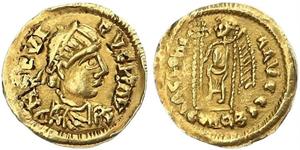
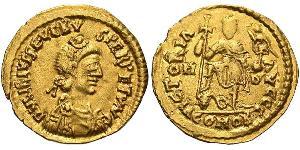
The minted coinage attributed to Libius Severus serves as critical archaeological evidence of a government struggling for legitimacy. As with most late Roman successors, imperial portraits continued traditional iconography even when political reality differed vastly from official rhetoric.
- Publisher: The Western Roman Empire and subsequent usurpers in Ravenna or Rome issued these bronze issues to assert central authority over the Italian peninsula.
- Dates: Strictly limited to his brief tenure between 461 AD and 465 AD, though some coins may bear dates reflecting earlier appointments as consul rather than actual reign years.
- Rationale: Issuing coinage affirmed the Senate's claim that a legitimate imperial presence existed within Italy, distinguishing Roman law from Vandal conquest or barbarian occupation elsewhere in Gaul and Spain.
Collections and Historical Significance
Collectors prize specimens featuring Severus for their extreme rarity. The chaotic political landscape often meant that mints were unstable or ceased production, preserving only a fraction of expected issues to the present day.
Beyond mere monetary value, these coins allow enthusiasts to visualize the late empire's administrative survival after its military heart had crumbled. They are essential pieces in specialized collections focused on post-Constantinian Rome and Roman history from 400 AD onwards. Acquiring a Severus piece connects one directly with those final years when loyalty was bought rather than sworn, preserving memory of an era where emperors ruled by name alone amidst the rising tide of barbarian kingdoms.