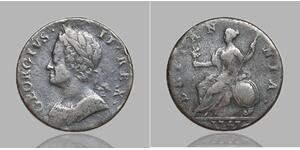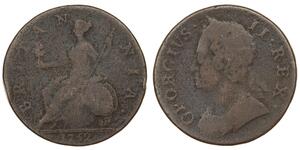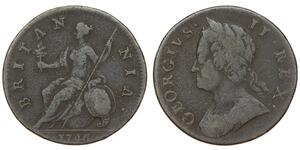
| George II (1683-1760) | Link to Wikipedia |
George II (1683–1760): History and Coinage
Kings George Augustus, who reigned as King of Great Britain from 1727 until his death in 1760, represents a pivotal moment in the British monarchy. As the first Hanoverian monarch born outside England to hold the throne, his accession ensured continuity under the Protestant succession following Queen Anne's decline and demise.
Beyond court politics, George II is perhaps most historically renowned for leading troops at the Battle of Dettingen during the War of Austrian Succession. This rare instance of a sovereign personally directing military operations underscored the monarchs' active role in national defense, setting him apart from his contemporaries who often remained distant while their armies were mobilized abroad.
In London, he navigated complex parliamentary relations while maintaining control over Hanoverian territories for twelve summers annually. This dual life influenced public perception and policy directions throughout the British Empire during a period of significant expansion and military conflict. Domestic governance was largely delegated to Parliament in Britain itself, yet his presence remained central as symbols of state unity.
The Numismatic Legacy
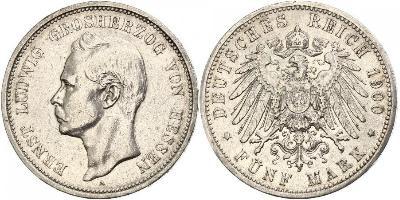
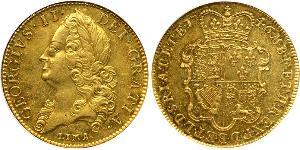
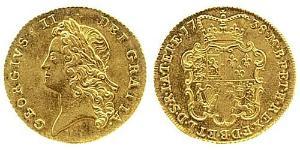
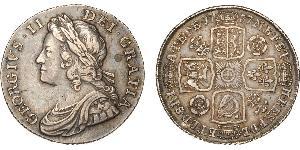
Coinage during George II's reign reflected the transition of British currency standards alongside traditional sterling coins circulated among merchants and sailors alike. Royal portraits on these denominations served as declarations of legitimacy following victories against Jacobite forces, solidifying stability for trade across diverse regions.
The imagery shifted from formal robes to military dress by the mid-century, emphasizing George's leadership role directly derived from battlefield experience rather than purely diplomatic protocol. Collectors often find distinct variations between early issues featuring him as a young Prince of Wales versus his mature depiction after ascending in London and securing Hanoverian independence.
A Collector’s Guide
- Rarity: High denomination issues during this reign are prized more for historical scarcity compared to lower face value denominations that circulated widely domestically.
- Historical Connection: Coins featuring him reflect the consolidation of power and military achievements recorded in state archives across Europe.
Possessing these pieces connects individuals to the 18th-century establishment period known as Hanoverian Britain. Artistic quality varies from standard engraved profiles produced at the Royal Mint, showcasing evolving portraiture styles that reflected political transitions during this transformative era of imperial growth and administrative reform.