Franz Joseph I (1830 - 1916)
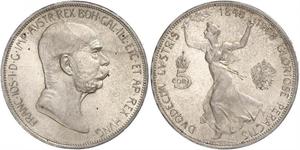
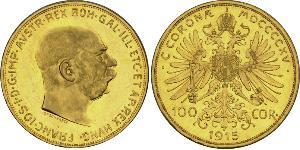
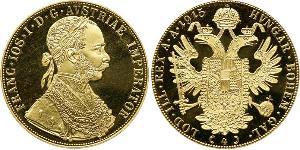
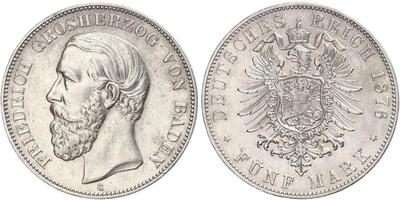
| Franz Joseph I (1830 - 1916) | Link to Wikipedia |
Franz Joseph I of Austria (18 August 1830 – 21 November 1916): History and Coinage
Introduction:
Frans Joseph reigned as Emperor of Austria from December 1848 until his death in November 1916, governing a vast territory that included Bohemia, Hungary, Galicia, Lombardy-Venetia, and other crown lands before the final dissolution during World War I. His ascension followed a political crisis where revolutionary pressure forced the abdication of Uncle Ferdinand at Olomouc on December 2nd. Although young—barely eighteen—he brought order to a realm embroiled in nationalist strife between Germanic aspirations and Slavic autonomy. The stability he fostered allowed for economic growth, though his personal demeanor remained aloof due to rigorous early military training shaped by an ambitious mother who prepared him specifically for dynastic succession rather than popular consultation.Relationship to Coinage:
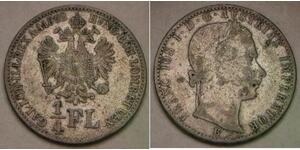
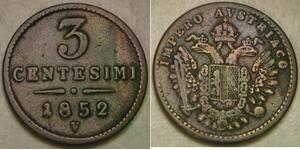
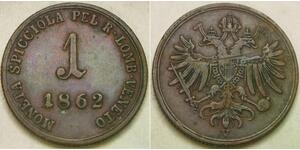
During the decades of his rule, coinage became one of the most ubiquitous ways subjects interacted with imperial power. The state was reconstituted as Austria-Hungary in 1867 following political negotiations that granted Hungary autonomy within a personal union under Habsburg authority. Consequently, coins depicting Franz Joseph circulated not only from central mints like Vienna but also through Hungarian and Italian branches serving the vast domains before their territorial reductions to Prussia or Italy occurred later decades. These metallic tokens displayed his likeness alongside imperial insignia intended to project divine sanction over governance during an era transitioning away from absolutism toward constitutional parliamentarism, yet retaining the emperor as a central figurehead for national identity within the dual monarchy structure.Why Collectors Value These Coins:
Collectors appreciate these artifacts primarily because they embody continuity amidst geopolitical upheaval while representing distinct historical milestones that are often minted onto denominations during those specific years. Early issues of high silver content from Austrian mints carry significant appeal due to their connection with industrial craftsmanship available in Vienna under Imperial supervision as opposed to later debased fractions which appear frequently for modern series enthusiasts seeking lower denomination pieces. Understanding the shift between pre-1867 and post-compromise designs provides insight into how numismatics reflected political realities such as the dual nature of administration, making these coins valuable educational tools connecting tangible history with a pivotal era in central European development where emperors transitioned from rulers to symbolic heads before modern republics rose. For those beginning their journey, examining high-grade specimens offers a clearer view of artistic evolution and historical context found nowhere else than on the face of currency produced during his long tenure.