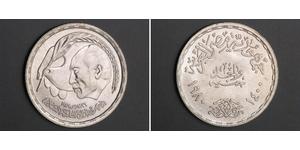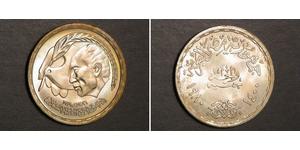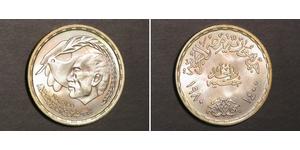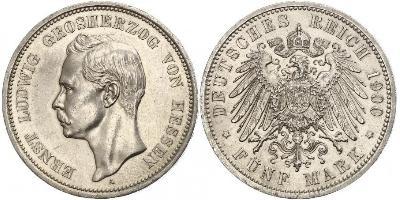
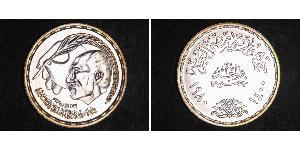
| Anwar Sadat (1918 - 1981) | Link to Wikipedia |
Anwar Sadat (1918–1981): History and Coinage
A Legacy of Statecraft and Diplomacy
Muhammad Anwar el-Sadat was a transformative Egyptian statesman whose leadership redefined the nation's position on the world stage. Serving as president from 1970 until his assassination in 1981, he succeeded Gamal Abdel Nasser after years of mentorship and service within the Free Officers movement that overthrew monarchy rule decades prior.
Sadat began his tenure with a decisive break from Soviet dependence, redirecting Egypt's foreign policy toward Western allies while launching domestic economic reforms known as Infitah to revitalize national industry during post-war recovery periods. He is perhaps best remembered for the strategic courage displayed in October 1973 when he launched operations that ultimately recovered the Sinai Peninsula. This military action paved the way for historic negotiations with Israeli leadership, culminating in a peace agreement recognized by international bodies including Nobel Peace Prize awards to his allies.
The political shifts under his watch were significant not just regionally but globally. By prioritizing diplomatic stability over traditional Arab alliance politics and moving toward Western partnerships during the Cold War era, he established an enduring legacy that continues to influence modern geopolitical analysis for historians studying the Middle East conflict of this period.
Currency as Historical Canvas
For those exploring modern numismatics of Arab republics, Sadat's representation on currency offers profound educational value. During his lifetime and shortly after death, he became a central figure in Egypt’s monetary design choices because the state sought to project stability following political upheaval.
In this region, high denominations are most commonly issued as paper banknotes rather than metal circulation coins depicting heads of state due to long-standing tradition. Consequently, collectors often examine these notes under the same umbrella of currency history enthusiasts find interest in posthumous commemorative medals or coinage produced by third-party mints that honor his legacy.
The portrait on a monetary issue serves as more than art; it is an official endorsement of governance and national identity. For students of economics, seeing Sadat's image helps contextualize the specific eras he governed, from the initial revolutionary optimism to the difficult negotiations required by international sanctions in later years that followed.
The Value for Modern Collectors
Enthusiasts are drawn to pieces featuring Sadat not primarily for market speculation but because they represent a unique chapter in monetary history. Each denomination provides evidence of economic policy shifts and diplomatic milestones that defined an era, such as the Camp David Accords celebrations.
The artistic quality during his presidency reflects high standards established by Egyptian printing houses before modern technology took over full production methods for currency design globally. Collectors acquire these pieces to understand how national symbols shift over time and why a former president remains depicted on monetary issues long after official state tenure ended in 1981.
Focusing on history rather than price fluctuations allows new collectors to appreciate the tangible artifacts of peace-making processes, adding depth to their appreciation for world currency as historical documents.