

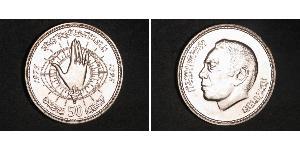
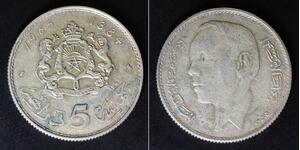
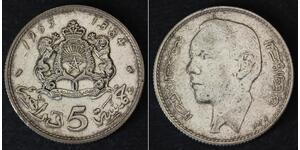
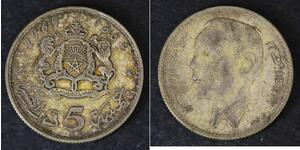
| Hassan II of Morocco (1929 - 1999) | Link to Wikipedia |
Hassan II, King of Morocco (1929-1999): History and Coinage
King Hassan II represents a transformative era in North African history. Following the death of his father Mohammed V in 1961, he assumed command as the head of state during critical years for Moroccan sovereignty. Born into the Alawi dynasty while Morocco was still under French influence, he witnessed first-hand colonial administration before leading efforts to restore national independence. His tenure oversaw significant geopolitical shifts, including international negotiations that secured full autonomy from European powers and reclamation claims over disputed border territories.
The history of his reign is defined by a complex mix of modernization efforts and the consolidation of central authority against regional instability. Collectors interested in this period look to numismatic artifacts to understand how Morocco transitioned from colonial economic dependence into a sovereign state capable of participating fully in global financial systems. The currency minting practices during these years reflect his determination to establish an independent national identity that resonated with citizens while appealing to international investors.
Currency Representation
Nuismatics enthusiasts often encounter Hassan II primarily through banknotes and limited-edition commemorative pieces rather than standard daily circulation coinage. While circulating currency during his reign emphasized the nation, religious traditions regarding human likeness on money in Muslim regions meant that portraits were reserved for paper notes issued by Bank Al-Maghrib.
- Paper Money: Notes from this era prominently featured royal authority and state-building achievements. Collectors value these as direct records of economic policy during the 1970s oil shocks and industrialization drives supported under his rule.
- Jubilee Issues: Special silver or gold issues were released for significant anniversaries, such as royal accessions to major jubilees. These pieces allowed artists to design intricate portraits that would not appear on standard denominations used in daily commerce.
The decision to place his name and likeness specifically on banknotes served a dual purpose: it reinforced the divine nature of kingship recognized within Islamic tradition while acknowledging him as supreme representative. Standard bronze or aluminum coins issued during this period, however, displayed dates alongside landmarks like the Hassan Tower in Rabat rather than facial imagery.
Rarity and Collection Value
The primary allure for collectors lies not merely in metal content but in historical provenance linking them to state independence. Coins or notes bearing his mark during specific political struggles provide tangible evidence of a government maintaining stability while navigating internal dissent and external pressure from former colonial powers.
- National Identity: Later issues show the evolution toward using purely national symbols rather than foreign emblems, signaling full sovereignty. This artistic shift mirrors his diplomatic successes in positioning Morocco between Western alliances and Arab nations.
Scholars study these financial artifacts to understand how currency design evolves from colonial dependency into independent assertion. Whether examining the obverse date formats or reverse iconography depicting architectural heritage found across Rabat, Marrakesh, or Fez, these pieces preserve the memory of an era defined by significant geopolitical realignment in North Africa.
Gathering such items allows enthusiasts to study not just monetary value but cultural resilience. These artifacts document a king who faced numerous challenges including coup attempts and internal dissent while ensuring economic growth for his people during one of Morocco's most dynamic periods.


