

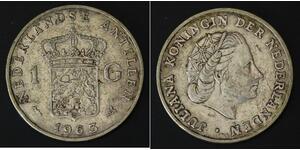
| Juliana of the Netherlands (1909 – 2004) | Link to Wikipedia |
Juliana 1909-2004: Life and Coinage
In the annals of European monarchy, few reigns encapsulate resilience quite like that of Juliana. Born in 1909 to Queen Wilhelmina, she ascended to the throne at a young age following her mother's abdication in late 1948. Her historical significance lies not merely in holding office but in stabilizing the Netherlands after World War II and overseeing its transition from empire to republic during decolonization of Indonesia and Suriname.
The Numismatic Sovereign
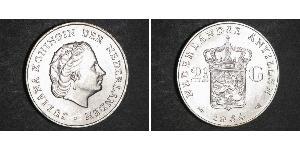
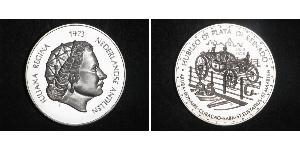
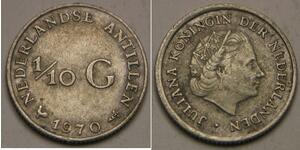
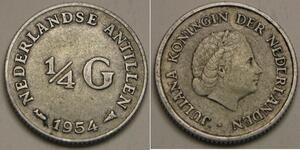
For numismatists, Juliana represents a distinct era of Dutch monetary reform. Following liberation from Nazi occupation in 1945, there was an urgent need for new currency to replace the occupied-era coins and restore confidence in national wealth. Consequently, her portrait appears on circulating coinage issued by the Netherlands Kingdom beginning with the standard silver cents and guilders minted under her supervision.
The transition period between 1948 and 1980 is particularly notable for collectors because she was relatively young upon accession, often appearing in a more formal, dignified pose that differed from contemporary royal portraiture. Her effigy also adorned the prestigious gold florin issued during her reign, specifically those minted post-World War II through the early years of independence. Unlike Wilhelmina, whose coinage featured earlier designs and complex coat-of-arms variations, Juliana's currency emphasized a modernized national identity.
A Collector's Perspective
The allure for history enthusiasts lies in how her coins bridge wartime trauma with post-war optimism. While circulated pieces exist from the later 1960s to early 80s before the decimalization of currency changed designs, these are highly valued not only as metal containers of gold and silver but as tangible records of a nation's recovery.
Collectors seek her coinage for several reasons. First is the artistic quality found on proof sets from this period, often featuring elegant engraving that captured her youthful visage against royal standards. Second is their association with major geopolitical shifts; coins issued after 1950 reflect a sovereign state shedding imperial titles while retaining dignity in its design.
Possessing these specimens offers insight into the Dutch Golden Age of numismatics during the late 20th century, providing a window into how the monarchy remained popular and functional for decades. Whether found in high-grade silver proofs or circulated pieces from international fairs like Amsterdam's Royal Mint exhibitions, her coinage stands as a testament to stability.
We invite enthusiasts to explore these issues further, examining not just the metal but the era they represent—a time of rebuilding that Juliana successfully navigated with grace. For those collecting Dutch currency, finding high examples from this half-century offers both financial reward and educational depth regarding 20th century European history.


