| Adolphe, Grand Duke of Luxembourg | Link to Wikipedia |
Adolphe, Grand Duke of Luxembourg (1817–1905): History and Coinage
Welcome to our exploration of a pivotal monarch whose reign reshaped the geopolitical landscape of Western Europe. Adolphe served as the sovereign ruler of Luxembourg from 1890 until his death in 1905, marking a definitive chapter for one of Europe's smallest states. Unlike previous rulers who governed alongside their Dutch counterparts through personal union, he ascended to the throne following the specific application of Salic law in Luxembourg versus primogeniture in neighboring Netherlands.
This transition occurred upon the death of William III without male heirs. While his sister Wilhelmina inherited the Kingdom of Holland and Belgium's territories connected by lineage were separated from him under legal distinctions, Adolphe became independent ruler solely through these succession laws. This historical separation was significant for numismatics because it allowed Luxembourg to distinguish its coinage visually from Dutch currency that had circulated previously.
The Numismatic Connection
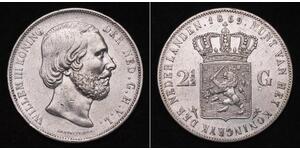
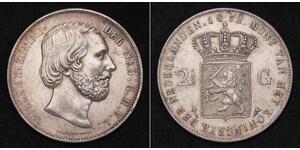
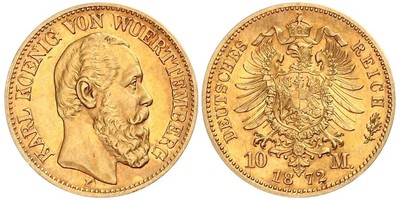
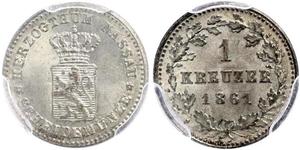
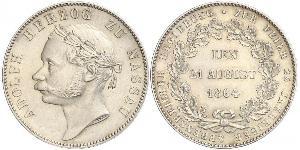
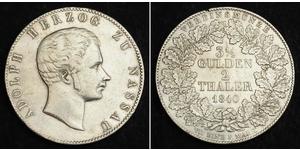
Coin collectors often view his portraits as symbols of national sovereignty during the late imperial period in Europe. The decision to feature Adolphe on circulating media served a dual purpose: it legitimized Nassau-Weilburg rule separate from Prussian influence following earlier annexations, and it reinforced stability after his long tenure as Duke before becoming Grand Duke later.
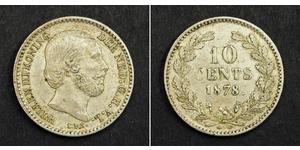
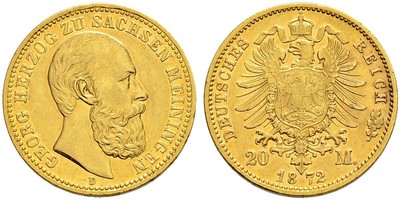
The coins minted during his reign generally carry the legacy of high-quality craftsmanship associated with the late nineteenth century. The shift to independent Luxembourg identity is often represented on these pieces by removing references to external monarchs and focusing instead on domestic symbols alongside his effigy or arms.
Value for Collectors
Beyond face value, Adolphe offers distinct advantages within specialized numismatic collections:
- Historical Significance: His coinage represents the moment Luxembourg broke its constitutional tie with Amsterdam. Holding a specimen marks ownership of this specific historical turning point in European sovereignty.
- Rarity and Condition: As he governed into his eighties, many high-relief proofs or low-mintage issues from the early years of his grand duchy status remain scarce today compared to later decades under his son William IV.
- Cultural Context: For those interested in how monarchy is portrayed during the pre-WWI era, Adolphe's portraits offer a clear view into conservative royal portraiture styles used across Central Europe at that specific time.
In summary, studying these pieces allows you to hold fragments of history where political independence was declared not just in treaty text but on metal. We encourage examining how his reign bridged the gap between medieval dynastic rule and modern constitutional monarchy within Luxembourg's borders.