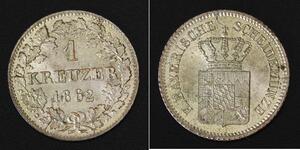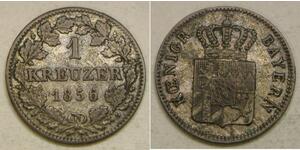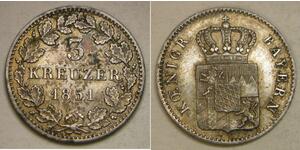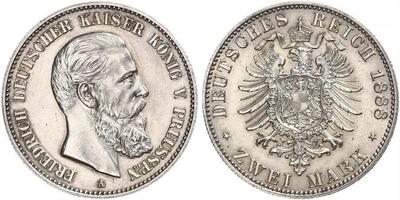
| Maximilian II of Bavaria (1811 - 1864) | Link to Wikipedia |
Maximilian II (1811–1864): History and Coinage
The Kingdom of Bavaria entered a transformative era under Maximilian II between the years of 1848 and his death in March 1864. While ascending to power during the volatile German Revolution, he successfully restored stability and dedicated himself to making Munich a premier cultural center for Europe. Unlike many contemporaries who prioritized martial display or personal extravagance, King Maximilian was known for his modesty and deep interest in scientific study. He actively championed education and patronage of the arts while maintaining Bavarian independence against competing German powers like Prussia.
The Numismatic Representation
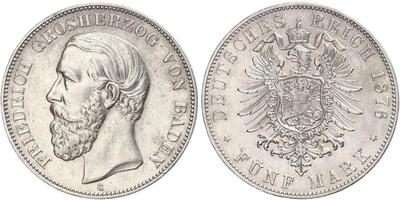
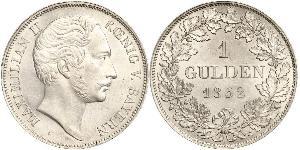
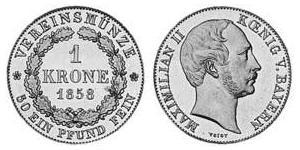
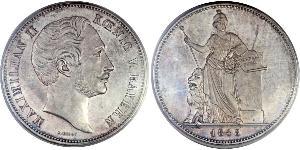
Coin collectors encounter Maxmillian II on silver florins, thalers, and gulden minted by the Kingdom of Bavaria during his active reign. As a monarch governing one of the most prominent states in Germany prior to unification, he authorized portraits that combined traditional royal iconography with the artistic trends defining 19th-century European design.
The decision to place the King’s image on currency was multifaceted. First, it asserted state sovereignty over local trade networks during a time when federal diets were dissolving into national conflicts. Second, his reign saw an increased emphasis on science and culture; coins served as tools of propaganda promoting these values across borders where Bavarian independence remained paramount.
Minted both for domestic circulation within the kingdom’s territories and sometimes traded internationally with Austria or Prussia depending on political alliances at the time. His later years were spent managing diplomatic disputes over Schleswig-Holstein while maintaining his image through official seals and currency, which continued to be struck even as he faced personal health challenges.
Why Collectors Value These Coins
The historical significance of these pieces offers a tangible link to the complexities of German political history. Beyond rarity or minting errors often sought after in modern markets, collectors prize coins depicting Maximilian II for their educational potential. They represent an era where individual state identities resisted absorption by larger empires before eventually becoming part of the Imperial Reich.
The aesthetic quality is another key factor; portraits on these issues reflect the transition toward more realistic sculpting styles that moved away from rigid classical forms prevalent in earlier centuries. For enthusiasts, examining coins struck under Maximilian provides insight into how a ruler attempted to balance conservative traditions with liberal intellectual movements without alienating either faction within his realm.