| Mustafa III (1757 - 1774) | Link to Wikipedia |
Mustafa III: History and Coinage (1757–1774)
Welcome to a brief exploration of Mustafa III, an Ottoman Sultan whose short reign marked a period of significant internal struggle and attempted modernization. Ruling from 1757 until his passing in 1774, he was the second son of Ahmed III who ascended the throne after years of confinement at Topkapı Palace.
Muṣṭafā-yi sālis is often remembered for his deep interest in poetry and social justice. Unlike many predecessors focused solely on military expansion during an era of imperial decline, he prioritized infrastructure improvements like aqueducts and grain stores to ensure public prosperity. His rule was not defined by conquest, but rather by a desperate attempt to stabilize the economy against internal revolts and external pressures from Russia.
The Numismatic Legacy
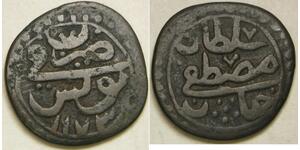
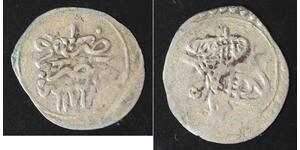
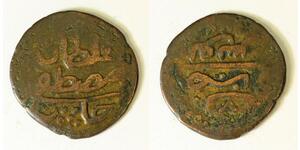
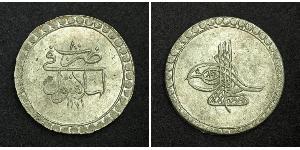
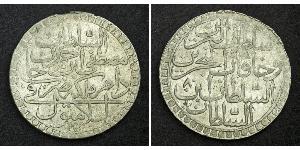
To understand coin collecting during this era, one must view currency through the lens of Ottoman tradition before 1800. During Mustafa’s reign, coins were not typically portrait medallions like those found in Western Europe but carried his titles and regnal dates written in Arabic calligraphy.
The most significant numismatic shift under his rule was related to economic regulation. After the financial instability caused by previous wars and inflation, new denominations issued during this period bore clear indications of monetary reform efforts aimed at standardizing trade between Istanbul and Europe. While modern Turkish Republic commemorative issues sometimes feature portraits honoring him later in history, a collector focusing on 18th-century silver finds Mustafa III's name stamped alongside architectural motifs reflecting the building projects he sponsored.
Rarity for Collectors
Coin collectors are drawn to this period because these pieces serve as tangible markers of historical reform. Holding an issue from his reign offers a connection to a time when traditional Islamic governance began intersecting with European military and economic thought, aided by French advisors.
- Educational Value: These issues distinguish themselves from neighbors like the Habsburgs or Russian Empire coins of similar years.
- Inscriptions as Art: The elegant calligraphy used on these piasters demonstrates high craftsmanship typical of the Imperial mints before later industrialization methods took over.
Mustafa III’s legacy reminds enthusiasts that currency was once a primary vehicle for state-building and public trust, rather than just bullion. Exploring his history offers a unique entry point into understanding how empires navigated change on the eve of 19th-century modernization.