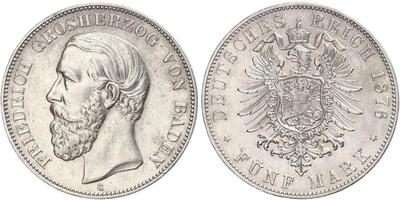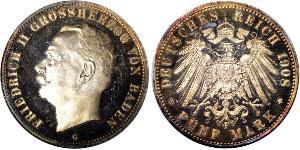
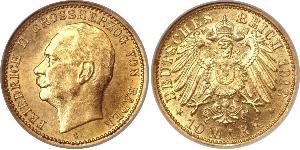
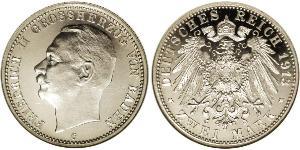
| Frederick II, Grand Duke of Baden (1857 - 1928) | Link to Wikipedia |
Friedrich II, Grand Duke of Baden {1857–1928}: History and Coinage
Friedrich II stands as one of Germany’s final sovereign rulers before the abrupt end of monarchical rule in 1918. Born into a distinguished lineage within the House of Zähringen, he succeeded his father Frederick I after nearly two decades on the throne following a transition period from 1907 onwards. Before assuming full power as Grand Duke of Baden, he served with distinction in the Prussian Army, commanding infantry divisions and earning high military titles ranging from Colonel General to Field Marshal. This dual role defined his reign; unlike many peers who abdicated purely due to health or age, Friedrich managed a state while simultaneously overseeing its military garrisons until political realities forced him out during the German Revolution of 1918-1920.
Nature and History
The relationship between his administration and coinage reflects this stability amidst impending change, serving as a crucial link for modern enthusiasts studying the intersection of military command and currency issuance during the late Empire period. As Grand Duke, Friedrich authorized Baden’s circulation within the broader framework of the German monetary union established in 1873 prior to WWI. Coins bearing his portrait circulated widely across southern Germany before the war accelerated demand for state-backed metal assets to fund wartime logistics.
Nature and History
Historical Significance of Currency Issues
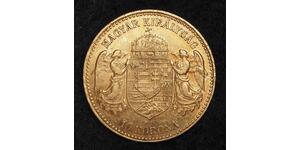
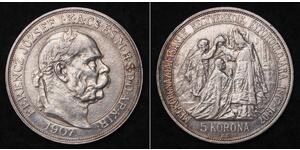
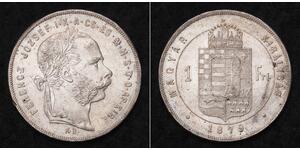
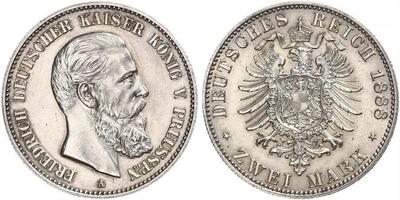
Treasury notes or coins from this era typically appeared on silver Thalers and gold Krugers featuring standard imperial iconography designed by artists representing the continuity of Baden’s loyalty toward Berlin while maintaining local distinctiveness through regional mint marks like Karlsruhe. For coin collectors, these items are not merely metal assets but physical witnesses to a specific geopolitical reality where state symbols still mirrored military authority.
Collectors value these pieces for their scarcity as tangible witnesses to regime transition within a unified monetary system. Because the monarchical minting operations halted shortly after his abdication in late 1918, finding coins bearing imperial or grand ducal authority becomes an indicator of pre-war confidence versus post-revolutionary reality that shifted toward Weimar issues entirely featuring republican symbols instead of portraits.
The portrait itself serves as a connection between regional statecraft and national unity efforts under Kaiser Wilhelm II where the Grand Duke was effectively his cousin within the imperial family tree known to many collectors seeking lineage connections. Artifacts from this era assist researchers in understanding how financial systems were used to project legitimacy during times of political crisis leading up to total war.
For those assembling collections focused on the German Empire, Friedrich’s currency offers a clear narrative path through his military career towards the abdication that fundamentally altered Western European history forever for historians tracking monetary evolution before and after 1920s democratic changes globally today. His legacy remains preserved in numismatics as symbols of power fade into historical memory.