| Henry III (1207 - 1272) | Link to Wikipedia |
Henry III of England (1207–1272): History and Coinage
Henry III stands as a pivotal figure in English monarchy, renowned for his fifty-six-year reign which bridged the turbulent thirteenth century with an unprecedented length of service. Often remembered today not only for the domestic conflicts he navigated but also for his profound devotion to rebuilding Westminster Abbey, Henry represents an era where religious piety and royal administration began to merge into a distinct national identity. His long rule established economic continuity that allowed trade networks along Europe's coasts to flourish despite political upheavals involving barons and foreign claims.
Relationship to Coinage
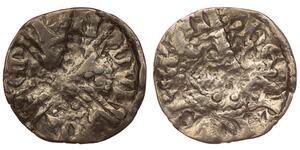
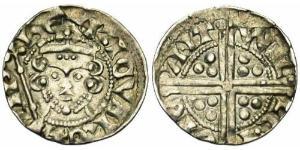
The numismatic legacy of Henry III provides tangible evidence of medieval monetary systems, yet his coins differ significantly from modern expectations. During the thirteenth century, English currency rarely utilized portrait photography or facial profiles in metal; instead, authority was communicated through legends and heraldic symbols associated with royal power.
- The Legend:
Coinage struck under his sovereignty typically bore the inscription H[ENRICUS] REX ANGLIE. For collectors, identifying these marks confirms the specific period of economic activity and royal administration associated with him.
- Mint Locations:
Ancient mint masters often operated from London and various regional castles. Specific dies reveal changes in administrative oversight following his transition from a boy monarch to an independent ruler, particularly after 1226.
- The Royal Rose:
Certain silver issues carried heraldic imagery such as the rose or crown motifs. These designs link directly to his restoration of Westminster Abbey in stone, a project mirrored on small metal surfaces available today for examination under magnification.
Why Collectors Value These Coins
The enduring appeal of Henry III's currency lies less in high market valuations and more in their historical preservation. Survival rates are low due to centuries of circulation, recycling into bullion, or melting down during wartime needs for funding armies.
- Rarity:
Ancient pieces from the thirteenth century represent a critical gap in numismatic history. Finding an original specimen allows collectors to visualize the exact currency used to tax tradesmen and purchase grain during his reign of long stability.
- Educational Context:
These artifacts serve as primary sources for understanding administrative shifts, such as how minting was centralized or decentralized in reaction to baronial influence. Holding a coin from this era connects the observer directly with the reconstruction of England's economy following civil strife.
- Coin Condition:
The preservation level on these small discs reflects centuries since circulation ceased, offering rare windows into the craftsmanship limits and artistic styles transitioning from Romanesque to Gothic forms that characterized his courtly culture. For serious students of history, these items remain unmatched in representing medieval economic resilience.