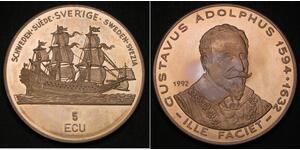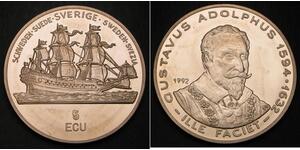
| Gustavus Adolphus of Sweden (1594 – 1632) | Link to Wikipedia |
Gustavus Adolphus of Sweden (1594–1632): History and Coinage
In 17th-century Europe, Gustavus Adolphus was not merely a sovereign; he was the architect of modern military strategy who transformed his nation into a dominant continental power. Born in Stockholm as the eldest son of Duke Charles of Vasa, he ascended to the throne at sixteen following a period of religious and dynastic strife with neighbors such as Poland-Lithuania and Denmark-Norway.
His reign from 1611 until his death at Lützen was defined by necessity. Upon assuming power, Gustavus Adolphus inherited three active conflicts simultaneously. By utilizing mobile artillery and aggressive tactics often termed the "father of modern warfare," he reversed fortunes against imperial forces during the Thirty Years' War in northern Germany.
The Connection Between King and Currency
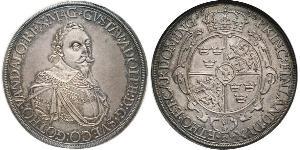
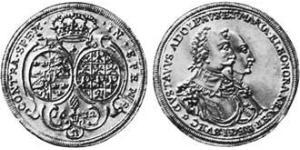
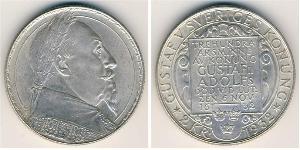
National identity was frequently solidified through state imagery, making coinage a primary tool for political consolidation. During his brief reign and immediately following his death at Lützen, Swedish mints issued currency bearing the monarch's likeness to assert stability in a volatile region.
The decision to feature Gustavus Adolphus on rixdollars and thalers served multiple purposes beyond simple identification of value. These coins acted as propaganda for Protestant allies across Europe who viewed him as their defender against Catholic hegemony. The depiction was not merely decorative but functional; it signified a shift from the regional power status Sweden held previously to that of an imperial contender under his banner. Furthermore, after he died in battle, coinage continued or evolved posthumously because his legacy remained central to Swedish statecraft and religious solidarity.
The Appeal for Numismatists
Collectors find significant interest in these specimens due to the historical weight they carry rather than monetary rarity alone. Every piece serves as a tangible link to an era where Sweden rose from Scandinavia's Baltic basin into Great Power status, specifically aiding Protestant cause during the Thirty Years' War.
- Rarity and Survival: With fewer specimens surviving that depict his likeness versus purely decorative later issues, original examples command respect for their scarcity.
- Historical Context: Each coin tells a story of military reform and administrative restructuring initiated by the King to better tax and conscript populations efficiently during war times.
Beyond mere investment value or aesthetic appeal, these artifacts invite exploration into how early modern states utilized metal currency to define loyalty. By examining coins featuring Gustavus Adolphus, enthusiasts gain insight into the complex religious and military struggles that shaped the balance of power in Europe during a pivotal century.