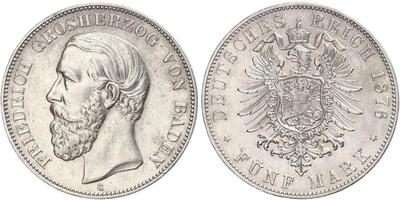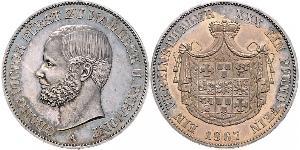
| George Victor, Prince of Waldeck and Pyrmont (1831 - 1893) | Link to Wikipedia |
George Victor (1831–1893): History and Coinage
Welcome to the gallery of European royalty, where we examine not only deeds but symbols. George Victor stands as a pivotal figure in German micro-states history during a transformative era for Europe's sovereignty structure.
A Brief Historical Biography
Born into noble lineage within Bad Arolsen, George Victor became the Sovereign Prince of Waldeck and Pyrmont upon his father's death. Although he ruled under maternal guardianship initially from 1845 to 1860, his reign established stability in a fragmented geopolitical landscape leading toward German unification. His personal life was defined by significant diplomatic marriages that connected the Prince directly into major European power structures.
The House of Waldeck found strategic partners through Victor's alliances with Princess Helena of Nassau and later Louise of Schleswig-Holstein-Sonderburg-Glücksburg. These unions cemented ties between German states, Prussia, Norway, Sweden, the United Kingdom, and Württemberg. While he reigned for less than five decades personally after initial accession steps, his life intersected with key moments in late 19th-century European diplomacy before the upheavals of World War I.
The Connection to Coinage
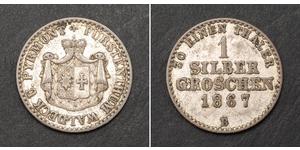
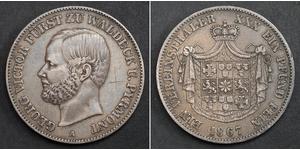
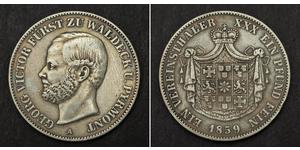
Municipal and state coinage serves as a tangible record of authority. During Victor's tenure, Waldeck issued local currency reflecting his sovereign status within the North German Federation environment. The portrait or initial insignia on these tokens represented the legitimacy of rule before national currencies standardized across modern borders.
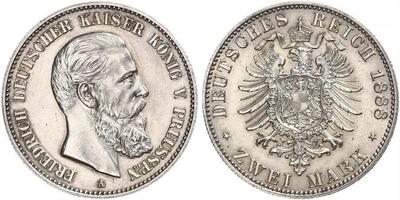
Coin collectors will often find issues from this period bearing state emblems alongside imperial overtures as Prussia grew influence locally. Victor's reign marks a transition where small states were integrating into larger economic zones, influencing how their coins circulated or ceased to be minted for general commerce versus commemorative purposes.
The Value of the Collection
Piece after piece depicts the quiet dignity of his monarchy. Collectors seek these items not solely as currency but as historical artifacts bearing a lineage that connects into Dutch, Swedish, and British royalty via marriage treaties recorded in numismatic provenance.
- Rarity: Small state mintage volumes mean surviving examples represent the history of specific regions rather than global economic trends.
- Narrative Provenance: Each coin tells a story about international connections, specifically how small German states aligned with major houses like the Habsburgs or Hohenzollern indirectly through Victor's family ties.
The collection of these pieces offers insight into monetary systems before modern central banking unified continental currencies. By examining Victor's legacy on silver and copper, enthusiasts explore how a sovereign prince shaped local finance while participating in grand dynastic networks that would define European history for another century.