| Ignaz Semmelweis | Посилання на Вікіпедію |
Ignaz Semmelweis (1818–1865): History and Coinage
Ignaz Semmelweis was a Hungarian medical doctor of German descent, hailed as the "saviour of mothers" for his revolutionary work on antiseptic procedures in obstetrics. His significance lies not only in saving lives but in establishing the scientific principle that hygiene prevents infection long before Germ Theory was fully understood by society. To the history enthusiast and collector, understanding Semmelweis's life is essential to appreciating how modern Hungary honors its national heroes through numismatic tributes.
The Battle Against Mortality
Semmelweis worked in Vienna during a time when postpartum fever was common. He observed that mortality rates were drastically higher in the First Clinic staffed by doctors compared to those attended by midwives, where only women delivered births. His breakthrough occurred after his friend died of an infection resembling childbed fever following an accidental scalpel wound; Semmelweis hypothesized "cadaverous particles" on physicians' hands caused this spread.
In 1847, he instituted a mandatory hand-washing protocol using chlorinated lime solutions. This single action reduced death rates from eighteen percent to under two percent within months. However, his findings clashed violently with the medical establishment's dogmas and prideful dismissal of "dirty" hands as unprofessional. Rejected by colleagues and mocked in high society circles, Semmelweis faced increasing harassment until he was committed to an asylum. He died only fourteen days later from sepsis caused by beatings received there.
Numerical Legacy
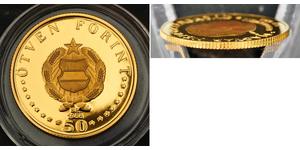
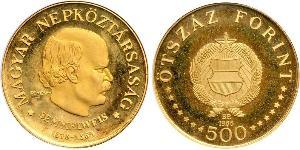
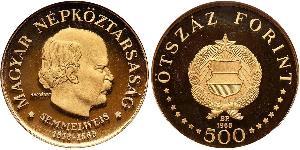
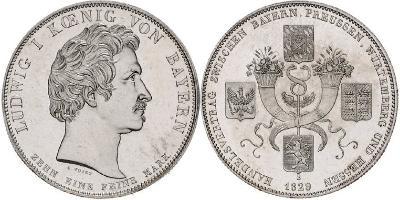
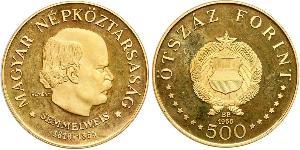
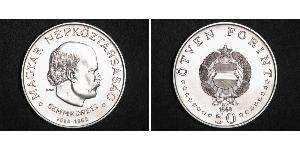
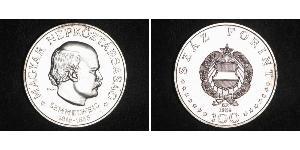
In the 19th-century Austrian Empire, coins depicted monarchs rather than scientific pioneers or common doctors like Semmelweis. Therefore, his likeness is primarily found on modern commemorative banknotes and medals issued by post-communist Hungarian institutions seeking to reclaim their history of medical innovation.
- National Recognition: Collectors often find these issues in specialized folders focusing on 20th-century Central European numismatics, where Hungary frequently utilized its currency supply to highlight cultural icons and historical resilience following the Second World War.
Semmelweis's association with coins today stems from his legacy as a symbol of truth against tradition. While he never walked on official imperial silver thalers, collectors value modern tokens bearing his name for their educational content regarding medical history and social justice. Exploring these pieces offers insight into how nations memorialize scientists who faced persecution.
For the serious hobbyist, examining coins or medals depicting Semmelweis connects them to a story where science triumphed over authority only after death—a narrative preserved in metal for future generations of historians to hold and cherish.