| George I of Greece (1845- 1913) | Link to Wikipedia |
George I of Greece (24 December 1845 – 18 March 1913): History and Coinage
In the mid-19th century European landscape, George I transformed a Danish naval cadet into one of Greece's most enduring monarchs. Elected to succeed King Otto after his popular departure in 1862, he initially toured London and Paris before arriving at Piraeus aboard the flagship Hellas.
This event marked the end of an era dominated by foreign imposition under Luitpold or Alfred's claims which were rejected by plebiscite. His personal efforts to master the local tongue demonstrated a commitment distinct from his predecessor, whose palace was found in disarray upon departure. The monarch repaired Old Royal Palaces while maintaining independence against Danish advice that he dismissed firmly regarding government interference.
Territorial expansion continued with Ionian Islands ceded peacefully following London Conference protocols and Thessaly annexation after Russo-Turkish war results which defined the boundaries of a nation-state before Balkan Wars concluded his tenure abruptly in 1913. His legacy remains as founder of modern Greece.
The Numismatic Significance
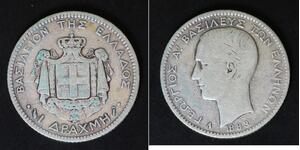
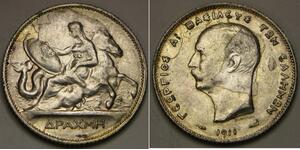
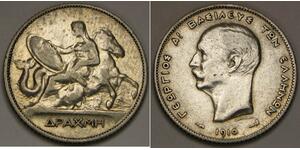
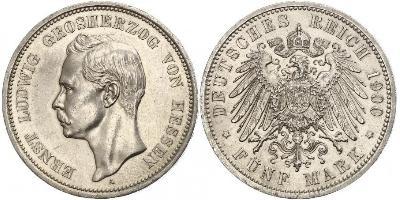
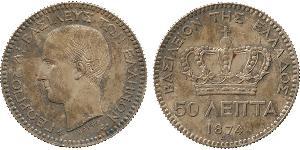
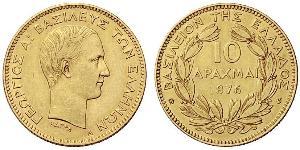
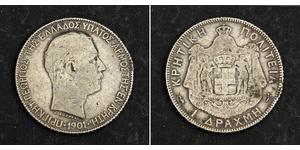
Currency issued during the Kingdom of Greece bore distinctive features tied directly to this era of national identity consolidation. Unlike earlier periods dominated by Ottoman silver dirham styles, George I's coinage featured classical Greek motifs celebrating Hellenic heritage on gold and silver denominations.
- The shift represented a departure from foreign-issued coinage towards autonomous monetary policy during his long reign
- Mint marks often denote cities like Piraeus which handled trade in this expanding nation-state following territorial gains from Macedonia
Coining ceased immediately after assassination or shifting boundaries ended specific issues. These items provide physical evidence of a new dynasty succeeding an unpopular foreign ruler and establishing stability over regions captured during war.
Rarity for Collectors
Rare specimens from later years or special issues minted for diplomatic visits represent significant historical artifacts rather than mere metal weight variations. They offer a tangible link to the assassination that ended one of Europe's most important dynasties while preserving the legacy of Greek nationalism during turbulent political times without requiring expert knowledge beyond visual inspection.
Conclusion: George I coins are accessible yet profound additions for those seeking connections between classical art forms and modern monarchy portraits.