| Frederick Francis I, Grand Duke of Mecklenburg-Schwerin | Посилання на Вікіпедію |
Frederick Francis I, Grand Duke of Mecklenburg-Schwerin (1756–1837): History and Coinage
Born into the nobility at Schwerin on December 10, 1756, Frederick Francis I ascended to a position that would define his place in German history for over five decades. Following the death of his uncle without an heir in 1785, he assumed control as Duke Friedrich Franz I. His reign marked a pivotal era of transition following the Napoleonic Wars. In particular, the Congress of Vienna elevated him from duke to grand duke in 1815, transforming Mecklenburg-Schwerin into a sovereign Grand Duchy within the German Confederation. He ruled until his death on February 1, 1837.
Frederick Francis I played a significant role in consolidating the region's autonomy while navigating complex diplomatic relationships with neighbors like Denmark and Russia through familial marriages. This era was characterized by maintaining conservative order during times of shifting European power dynamics. For collectors studying German numismatics, understanding this political stability is essential to interpreting why his image appeared on currency.
The Numismatic Footprint
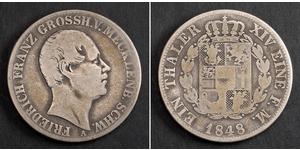
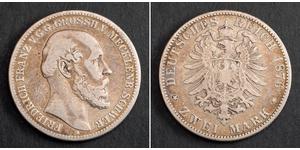
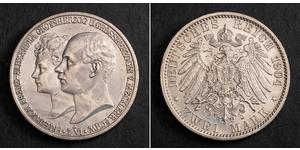
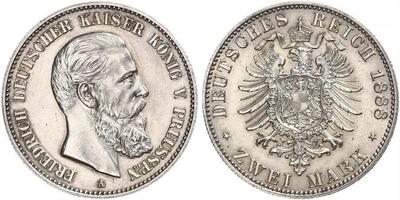
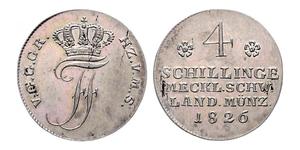
Coinage depicting Frederick Francis I emerged prominently after 1815 when the state officially transitioned under new titles and authority. Before elevations occurred in some states, rulers were often depicted with lower rank designs or different insignia upon accession to higher sovereignty.
- Sovereign Representation: Coins issued during his reign serve as tangible proof of Mecklenburg-Schwerin’s status within the Holy Roman Empire and later Confederation territories. The portrait was necessary for establishing trust in trade across borders, distinguishing local coinage from Prussian or Bavarian currency.
- Circulation Period: While most examples were struck during his lifetime to denote current rule, posthumous issues continued shortly after 1837 before the successor took over. Collectors often look for die variations introduced between these eras.
Rarity and Historical Value
Coin enthusiasts seek specimens from Mecklenburg-Schwerin to complete specialized German state collections, which are less explored than major empires but rich in historical nuance. The value of a piece often lies not just in its metal content or mint error status, but what it represents about the family connections and political maneuvering that shaped Central Europe.
The portrait used on these coins was crafted by skilled engravers who sought to present the Grand Duke as an authoritative yet paternal figure. This artistic choice influenced how money circulated among citizens of different social classes. Consequently, a coin from this period offers more than economic utility; it stands as a durable historical artifact that reflects the continuity and tradition preserved through generations.