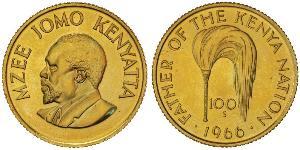
| Jomo Kenyatta | Link to Wikipedia |
Jomo Kenyatta (c. 1897–1978): History and Coinage
Jomo Kenyatta, often revered as the Father of Independence in Kenya, played a pivotal role in transforming British East Africa into a sovereign republic. Born to Kikuyu farmers around 1897, he rose from early activism against colonial rule to lead his nation through its first decade of freedom. As Prime Minister and subsequently President, he navigated complex geopolitical waters during the Cold War era, championing African nationalism while fostering reconciliation among Kenya's diverse ethnic groups.
National Identity on Currency
In 1963, as Kenya transitioned toward independence, the nation required a symbol that reflected its new status rather than British sovereignty. Following independence in December 1964 and his formal assumption of power, Jomo Kenyatta became the face of this modern identity on state-issued currency.
National Currency
- The Bank of Kenya issued banknotes between 1963 and the late 20th century featuring his portrait to signify post-colonial sovereignty. Unlike earlier colonial pieces, which bore the image of British monarchs, these new artifacts symbolized self-governance.
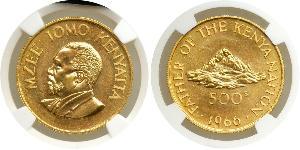
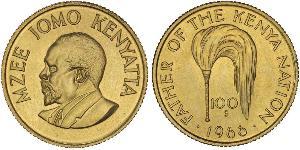
- Later in the collecting era, special commemorative coins were minted for anniversary celebrations honoring Kenyatta's leadership and death in 1978. These items often appear as limited-edition silver or gold pieces created by local mints to celebrate his legacy rather than daily circulation.
The Numismatic Appeal
Collectors find these artifacts valuable because they mark a specific turning point in African history: the end of colonial rule. Holding currency from this era provides tangible evidence of how Jomo Kenyatta unified the country politically and economically. For enthusiasts studying decolonization, his portrait on monetary pieces represents more than art; it signifies the assertion of dignity against imperial symbols.
Rarity also plays a significant role in their allure. Early post-independence notes are prized for preserving financial history from when inflation was high and metal currency transitioned to paper issues. Modern collectors appreciate these items because they connect them directly to global political shifts, such as the Cold War dynamics that influenced Kenya's foreign policy.
To truly understand an exhibit of African monetary history or a private collection featuring Jomo Kenyatta artifacts is essential. They serve not only as currency but as historical documents commemorating his vision for national unity and prosperity under the banner of KANU (Kenya African National Union).