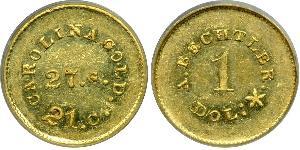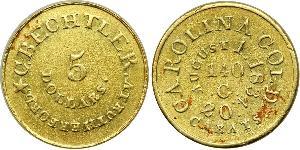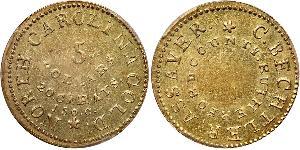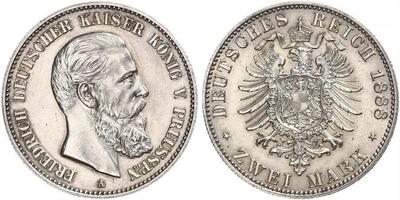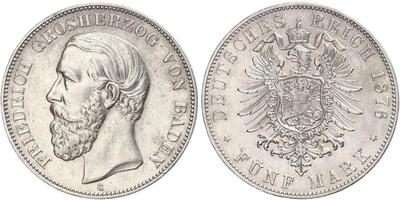
| Christopher Bechtler (1782-1843) | Link to Wikipedia |
Christopher Bechtler (1782–1843): History and Coinage
Craftsmanship defines the legacy of Christopher Bechtler, a German-born goldsmith who bridged European metallurgical traditions with American economic demands during the early national period. Born in Pforzheim under Grand Duke Charles Frederick's charter for watchmaking, he mastered technical disciplines at local institutions before immigrating to Philadelphia around 1830 and subsequently moving his operations into North Carolina.
The historical significance of Bechtler lies not only in his mechanical skill but also in his timing. He was a pioneer who secured mining concessions after spotting gold traces in the region's sandstone, filing for patents on washing machines as early as 1819 before fully emigrating with family members around 1829.
The Private Mint During Expansion
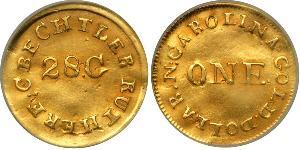
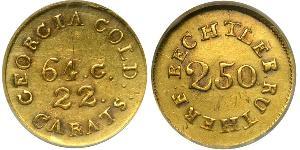
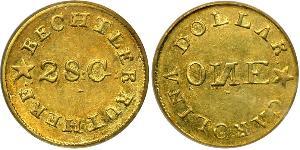
Influenced by one of the first major rushes for gold within the United States, Bechtler established a private mint in Rutherford County that operated from 1831 through the 1850s. Unlike later federal issues which typically featured allegorical figures or presidential portraits during this specific window of growth before California claims dominated production by 1849, these coins utilized distinctive marks denoting authority alongside standard Liberty designs.
The Bechtler Mint produced denominations in one dollar and higher values that served legal tender within jurisdictions where federal supply chains could not yet meet demand. While the portrait is often associated with later issues of this era, collectors identify pieces by attribution to his workshop rather than a personal likeness on the obverse.
The Collector's Perspective
Rarity:
- Numerous specimens were absorbed into government circulation or melted down following legislative shifts in gold valuation that occurred in 1834 and subsequent years.
This change in metal value caused Bechtler's coins to be considered scarce today, commanding high prices when offered for sale among specialized groups.
Exploring pieces attributed to this artisan offers insight into the transition between regional minting practices and centralized federal power during an era of industrial awakening.
The Appeal of Collectibles
Metallic Integrity:
- The coins maintained high standards of gold purity, distinguishing them from counterfeits common during the volatile mining expansion of the 1830s and allowing Bechtler to accumulate a significant fortune before his death.
Scholars today analyze these examples at designated historic parks in North Carolina to understand how local innovation complemented federal monetary policy.