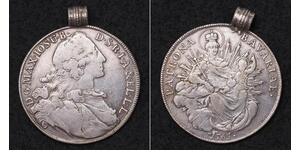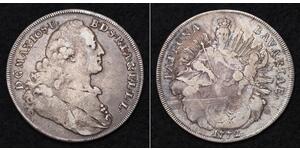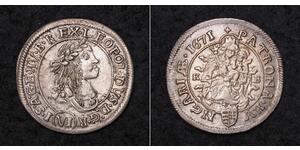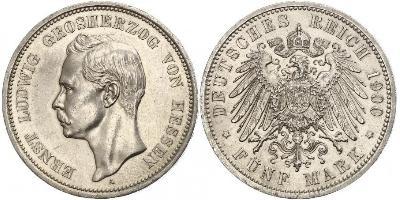
| Charles IV, Holy Roman Emperor (1316-1378) | Link to Wikipedia |
Charles IV (1316–1378): History and Coinage
Frequently known as Wenceslaus at birth before choosing Charles for his confirmation in honor of France's royal court, this Emperor reigned over a fragmented Europe from 1355 until his death. As the son of John of Bohemia, he inherited lands stretching across Germany and Italy while anchoring himself to Bohemia through his Přemyslid maternal lineage.
Histories remember him for founding Charles University in Prague, establishing legal structures that redefined Central European monarchy, and attempting a cultural synthesis between Germanic and Italian traditions. His efforts codified the political order of Germany via the Golden Bull while maintaining strong ties to his Bohemian heritage throughout his forty-year reign.
Coinage in Context
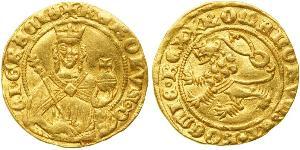
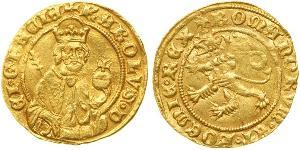
The coins issued under Charles IV's authority mirror these shifting territorial ambitions. As ruler of Bohemia, Italy and the Empire, he utilized currency to legitimize diverse claims over goldsmiths' workshops across Europe. The majority of surviving pieces originate from Prague rather than Rome or Aachen.
- Mint Locations: While Roman deniers were requested by Italian citizens upon his return in 1355, Bohemian mints maintained distinct traditions using the New Town and Gothic architecture for inspiration. These coins circulated most widely in Central Europe and into Germany, acting as a financial bridge between regions separated by political borders.
- The Ruler's Image: Despite facing opposition known as Priests King during early elections for lacking imperial support, the portrait evolved over decades to reflect his piety and scholarly interests later in life.
Collections for Study
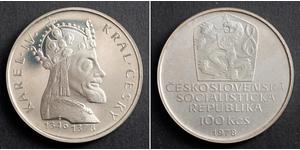
For history enthusiasts examining numismatics, Charles offers a window into medieval statecraft. Collectors are drawn not merely by rarity but by his association with the founding of University of Prague and Gothic architecture that frames many historical portraits on medals derived from this coinage.
Avoiding speculative market prices to focus on education, these pieces represent how money served as propaganda reinforcing the legitimacy of his diverse inheritances across lands he hoped to rule in peace. Whether examining the New Town model or efforts at centralization before scaling back due to resistance every surviving coin acts as a fragment of that broader narrative.
In summary exploring Charles IV's currency provides essential context regarding medieval power structures and invites collectors to appreciate how minted silver functioned alongside lawmaking during his era. This encourages study into the history of Prague, Central Europe and the House of Luxembourg specifically within numismatic archives today.