| John of Saxony | Посилання на Вікіпедію |
John of Saxony (1468–1532): History and Coinage
Johann the Old Saxon, often cited in historical records as John I Elector or simply known by his epithet in numismatic contexts, stands as a foundational figure for early modern German statecraft. Born around 1468 and reigning until his death in 1532, this member of the House of Wettin played a critical role during the transition from feudal ducal power to the Electorship's political maturity within the Holy Roman Empire.
Beyond mere titles, John represented the stabilization required for Saxony after decades of internal conflict and dynastic consolidation. His governance coincided with significant cultural shifts in Europe, notably influencing religious tolerance and artistic expression which can be seen reflected in his state imagery. For modern historians, he serves as a marker that connects local Wettin lineage to broader imperial politics.
Relationship to Coinage
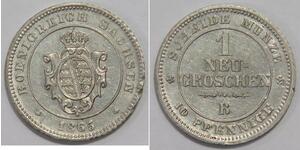
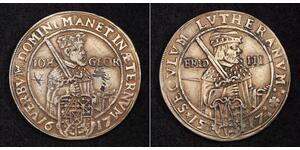
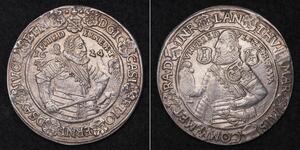
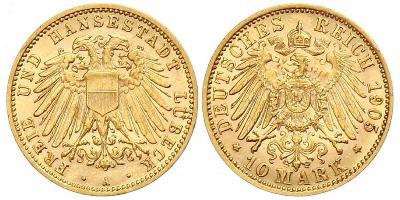
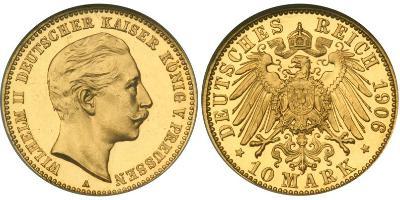
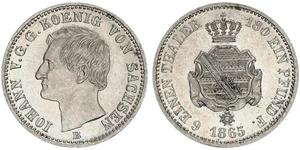
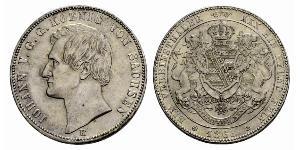
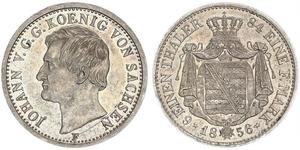
The connection between this ruler and currency is rooted in the necessity of maintaining political legitimacy through material evidence. During his tenure, Saxony minted substantial silver coins known for their specific designs. Unlike simple circulation tokens used solely by kings, these issues served administrative functions such as tax collection during wartime or border defense campaigns.
- The primary entity issuing coinage bearing this name was the Electorate of Saxony, which operated under strict imperial oversight while maintaining local independence.
- Coinage issued posthumously often featured his portrait in commemoration after death, marking dynastic succession changes that would occur shortly thereafter.
Why Collectors Value These Coins
Possessing pieces bearing John of Saxony's image offers unique historical insight into regional identity formation. Collectors seek this specific period because it predates unification, showcasing a distinct era before the standardization that occurred under later Prussian influence.
The artistic quality is paramount; many issues feature high-relief portrait heads attributed to renowned German sculptors of the early Renaissance. Additionally, rarity factors arise from lower mintage years during times of political instability or when silver shortages dictated reduced production quantities for smaller denominations.
- Historical importance: Direct link to major European religious changes affecting currency minting practices.
Artistic quality: Distinct style reflecting the transition into Northern Renaissance iconography.
Ultimately, holding a coin of this era connects the collector directly with the complex geopolitical landscape of 16th-century central Europe.