| Edward VII (1841-1910) | Link to Wikipedia |
Edward VII 1841–1910: History and Coinage
King Edward VII stood at a pivotal moment in imperial history, bridging the Victorian era with modernization that reshaped global diplomacy during his brief but active reign of nine years. Born as Prince Albert to Queen Victoria, he spent nearly six decades preparing for rule while observing from behind her shadow until 1901 following her death which ended twenty-nine year long reign over United Kingdom and Dominions. His personal journey involved extensive travel across North America and the Indian subcontinent fostering a reputation of charm despite political exclusion under his mother who preferred traditional austerity over public engagement like him. By time he ascended Britain had navigated complex international relations involving France where he was popularly known as Peacemaker while tensions remained with Germany, transitioning into what is known as Edwardian age where industrial advances coincided with major constitutional changes regarding Parliament power that restricted unelected lords.
Coinage and Historical Context
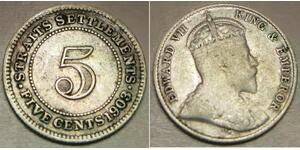
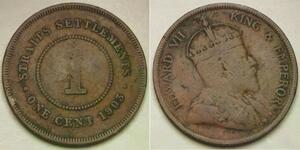
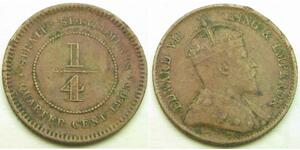
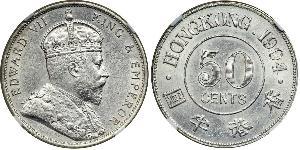
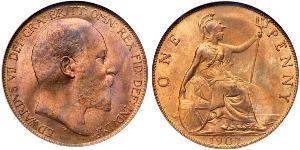
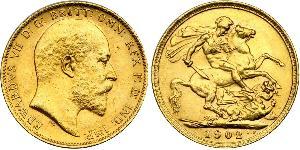
The silver currency bearing his effigy marks a deliberate artistic shift on official state money. Unlike the traditional stern profile established by Victoria, Edward appeared in more realistic portraiture styles that reflected confidence during modernization efforts following the Second Boer War. These coins circulated throughout Britain and were minted for British Dominions as well as India where he held imperial power over territories extending into Asia proper. The dies used to stamp these halfpence shillings demonstrate how royal authority was visually communicated through a youthful visage rather than long-reigned austerity, signaling that his family line had successfully prepared him despite early criticisms of irresponsibility recorded by contemporaries during his youth and education.
The Collector’s Perspective
- Educational significance: These items offer tangible proof of the transition from Victorian rule to a new constitutional monarchy structure before World War I began. Understanding these coins provides insight into how nations communicated their power through standardized currency across vast empires and dominions.
- Rarity and Condition: As his reign was relatively short, mint issues are concentrated within specific years between 1902 and 1910 making survival of uncirculated examples particularly notable for serious numismatists. Collectors value the artistic innovation present in these designs alongside historical interest regarding British imperial expansion and technological shifts like steam turbine propulsion mentioned during his lifetime.
Ultimately, examining coins from this period allows enthusiasts to appreciate a monarch who was simultaneously criticized as frivolous yet responsible enough to foster peace with European allies through his own diplomatic efforts. For those beginning their collections of early twentieth-century currency, these pieces provide an accessible entry point into the history of empire building and political evolution within London mints without needing advanced grading knowledge.