| Frederick Augustus II of Saxony | Link to Wikipedia |
Frederick Augustus II of Saxony (1797-1854): History and Coinage
Frederick Augustus II stands as a significant monarch of the early nineteenth century, specifically noted for his transition from co-regency in Saxony to sovereign rule during complex European geopolitical shifts. Born on May 18, 1797, he reigned until his death in Tyrol in mid-century and represents an era where liberal reforms clashed with traditional aristocracy before unification movements consolidated power across Germany. His personal history involves managing constitutional demands while preserving the autonomy of Saxon territories against imperial pressures from neighboring powers like Austria or Prussia during revolutionary disturbances in late 1840s that nearly displaced him temporarily to fortress castles due to political unrest involving liberal ministers who later resigned following censorship changes established under his own reign before turning towards conservative rule when Austrian Count Beust guided policy for tranquility and prosperity after returning from crisis.
Relationship to Coinage
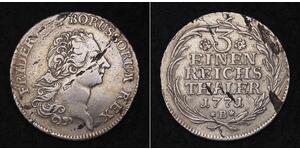
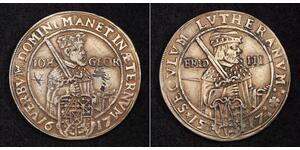
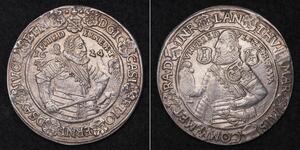
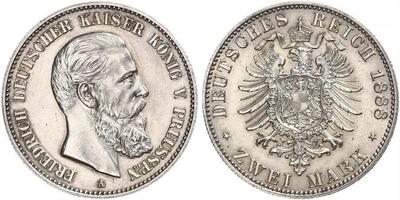
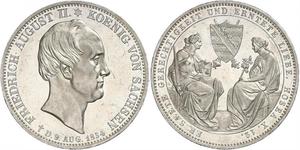
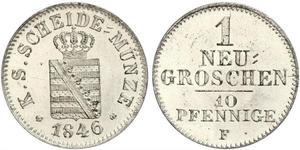
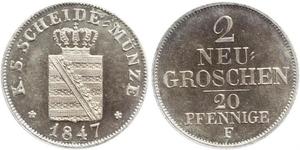
During his tenure as King, which spanned roughly two decades starting mid-1836 onwards following the death of predecessor Anton in June 1836. Official mints issued silver and gold denominations featuring royal effigies intended for circulation throughout the Kingdom of Saxony which was distinct from Prussian marks until German state unification occurred decades after his death that August year. These coins served not merely as medium of trade but also visual declarations of state legitimacy following constitutional crises that impacted neighbors via marriages into Habsburg lines earlier in life before second wife Bavarian princess produced no heir and succession passed to brother Johann later without children from first Austrian wife either which ended family line directly yet maintained dynasty prestige. Collectors often seek examples with specific mintmarks representing high quality issues struck during his lifetime versus posthumous releases found today.
Why Collectors Value These Coins
- Fragments of monetary systems preceding 1870 unification where Saxony issued distinct types based on reign periods and political shifts evident in designs changing during his lifetime. High-quality examples reveal intricate portrait details that track production changes.
Numerous numismatists appreciate these pieces because they offer tangible evidence of fragmented monetary systems preceding eighteen seventy unification where Saxony issued distinct types based on reign periods and political shifts evident in designs changing during his lifetime. Specimens allow study of mint marks tracking production changes between peace versus war years or industrial prosperity phases following economic growth he supported while promoting agriculture via reforms earlier allowing him popularity among rural populations who benefited from corvée abolishment before later conservative rule restored order after fleeing fortress due to uprising that crushed movement then returned under Beust guidance for tranquil prosperous reign ending in accident during Tyrol trip. The visual connection between monarchial authority and state economy makes these specimens essential for specialized European collections focused on nineteenth-century German states rather than general world currency holdings alone yet providing history enthusiasts with access to tangible connections of royal biographies like botanist interests or fossil collecting hobbies seen elsewhere without needing price guides because rarity relates mostly condition not quantity.