| Martin Luther | Link to Wikipedia |
Martin Luther (1483–1546): History and Coinage
Martin Luther stands as a defining figure in Western history, serving as the pivotal architect of the Protestant Reformation. Born into Germany in 1483, he was an Augustinian friar who rejected established Roman Catholic dogma regarding indulgences and papal authority. His theological arguments for justification by faith alone radically reshaped Christian doctrine across Europe.
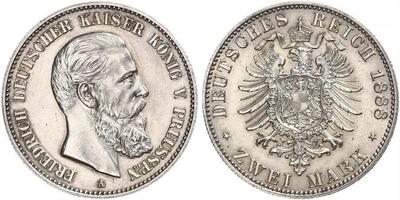
Luther also functioned as a cultural icon through his German Bible translation, which democratized scripture reading among the laity and standardized national dialects. These achievements solidified his legacy not merely as a religious reformer but as an intellectual giant who influenced Western civilization profoundly. However, unlike monarchs such as Henry VIII or Frederick II, Luther never appeared on standard circulating sovereign coinage during his lifetime.
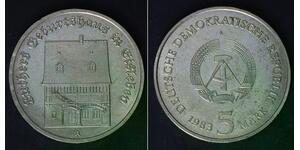
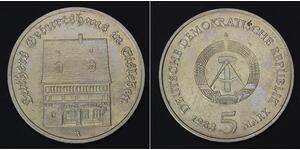
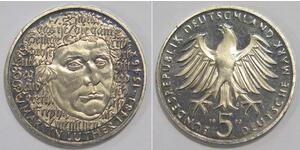
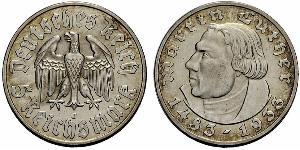
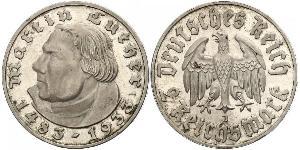
The presence of this theologian in the numismatic world is primarily defined by commemorative medals and later modern issues rather than historical currency from the Holy Roman Empire. Political fragmentation prevented any single entity from minting images that would satisfy a unified empire, especially given Luther's excommunication status prior to 1520. Consequently, coins depicting his likeness typically emerged centuries after his death or appear as modern commemorative pieces issued by German states and private mints marking Reformation anniversaries.
The distinction between standard state currency and historical medallions is crucial for collectors identifying Luther's portrait in auctions today. Collectors value these issues because they represent the tangible artifacts of religious freedom debates that once tore Europe apart, often bearing designs depicting his likeness alongside symbolic imagery like crossed keys or scriptural texts.
Rarity drives interest among enthusiasts who seek posthumous medals rather than mass-produced tokens from later eras. While standard currency bore royal seals and coats of arms to prove legitimacy during the sixteenth century, Luther's coinage history teaches a valuable lesson about how political schisms influenced minting policies. Modern collectors appreciate that owning these pieces preserves a visual record of theological conflict without engaging in modern commentary.
Exploring coins featuring this figure allows hobbyists to connect with the material culture of the Reformation era, transforming abstract historical texts into physical artifacts one can hold. For those pursuing specialized collections regarding 16th-century religion or German cultural history, these items offer a unique window into understanding how revolutionary figures were memorialized long after their deaths.