| Milan I of Serbia | Link to Wikipedia |
Milan Obrenović IV (1854–1901): History and Coinage
In the annals of Balkan history, Milan Obrenović IV stands as a pivotal figure who secured Serbian sovereignty from Ottoman suzerainty through diplomacy and decisive conflict. His reign spanned a transformative period where Serbia evolved into a fully independent nation-state within Europe under intense international scrutiny involving Austria-Hungary and Russia. For historians examining the geopolitical shifts of late nineteenth-century Southeastern Europe, Milan's legacy represents the consolidation of national identity that was later immortalized on currency to assert legitimacy against great powers.
Relationship to Coinage
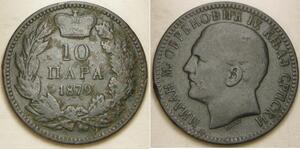
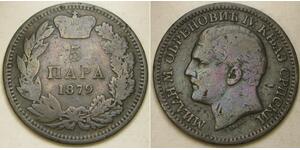
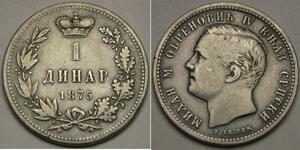
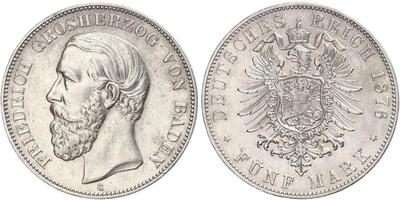
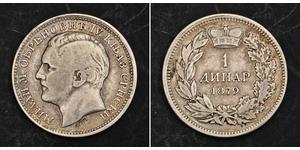
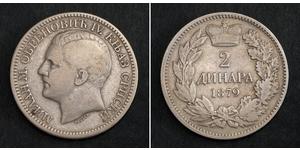
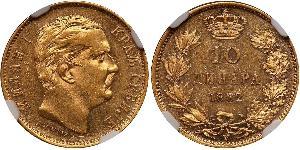
Milan appears as a subject state during his tenure from 1868 until his abdication in 1889, though he remained an active historical figure after that date. The coinage depicting him was primarily issued by the mint operations established in Belgrade and later influenced by imperial mints to ensure compatibility with regional trade neighbors like Austria-Hungary.
Context of Currency Issues:
- The Principality Era (1868–1882): Early silver coins bore the title of Prince and featured portraits intended to project stability during a time when Serbia was still formally de jure part of the Ottoman Empire.
- The Kingdom Transition (1882): Following 1878 independence, Milan accepted King status in 1882. This political elevation necessitated new coinage designs featuring crowns and imperial regalia distinct from previous princely portraits.
- Later Reign Circulation:After his brief abdication and eventual return to power by appointment of Alexander I, the imagery remained consistent despite internal court turmoil involving Queen Draga. Collectors often seek specimens minted before 1890 when full sovereign authority was undisputed.
Why Collectors Value These Coins
The primary appeal for numismatists and history enthusiasts lies in the rarity of coins produced during specific political transitions, specifically those issued immediately after the Treaty of Berlin (1878). Specimens from this era represent a tangible connection to Serbia's declaration as an independent entity. While standard silver crowns were common trade currency, the existence of these pieces helps trace the evolution of national emblems.
Beyond rarity, the artistic quality and historical weight of Milan's coinage offer educational value regarding how nations in Central Europe established their own diplomatic standing without significant military backing against larger neighbors. Examining these items allows collectors to understand not just market worth but the narrative of resilience embedded within metal artifacts that celebrate state formation during a complex geopolitical landscape.