| Leopold IV, Prince of Lippe | 链接到维基百科 |
Leopold IV, Prince of Lippe: 30 May 1871 – 30 December 1949; History and Coinage
The Reign of a Minor Sovereign
Leopold Julius Bernhard Adalbert Otto Karl Gustav, known as Leopold IV, was the final sovereign ruler of the Principality of Lippe. Born Count Leopold in Oberkassel, he began his service to the state in 1894 after leaving military duties for studies at Bonn and Berlin universities. A significant political struggle regarding his legitimacy arose when Emperor Wilhelm II initially refused recognition during regency issues involving Prince Alexander's incapacity.
This conflict between family lineage and imperial law defined Leopold's accession until October 25, 1905, confirming him as the sole ruler of Lippe-Biesterfeld. He governed through World War I until abdication in late 1918, witnessing the end of Germany's monarchy before transitioning into a Weimar Republic Free State. His life marks the transition from imperial aristocracy to modern democratic citizenship.
Coinage and Sovereignty
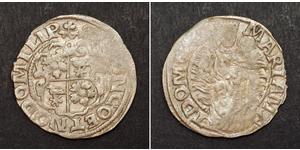
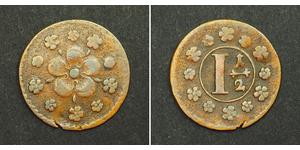
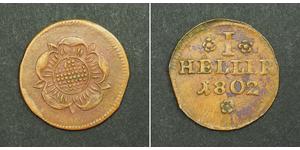
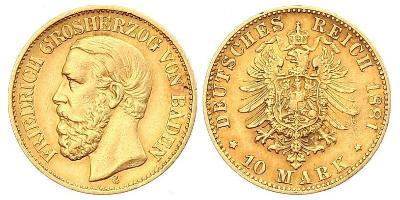
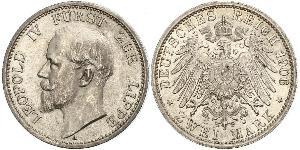
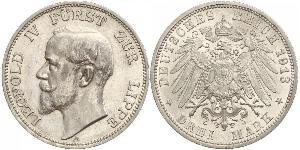
Numerismatics enthusiasts understand that coin portraits represent an individual's authority over state finance. During Leopold IV's reign, minor German principalities often maintained local sovereignty through distinct currency minting before the Great War standardized imperial issues more heavily.
Lippe issued coins featuring his representation during these fifteen years of confirmed rule. The shift in 1918 ended this era completely; post-abdication states were required to issue notes with republican symbols, eliminating the princely portrait from circulation entirely. Thus, metal struck before November 12 serves as a historical artifact preserving visual evidence of monarchical power.
The Value for Collectors
- Rarity and Historical Significance:
Coinage minted prior to the revolution is scarce due to interrupted production during war years. These pieces offer collectors a glimpse into regional autonomy within a unified empire that ceased abruptly.
- Educational Importance for Beginners:
New numismatists learn how family succession disputes affected minting rights, illustrating the connection between legal recognition and the right to use state imagery on metal currency. This adds context beyond standard catalog listings.
- Rare Family Connections:
The later elevation of his nephew Bernhard in 1916 influenced coinage designs connecting this family line to subsequent European royalty, such as Queen Juliana's marriage connections. Understanding these dynastic links helps collectors trace portraits across different nations.
Exploring Leopold IV's coins requires attention to dates preceding 1918 and specific regional varieties found in the northwestern German collection areas, offering a window into a vanished era of small state independence.