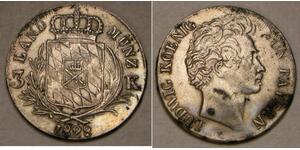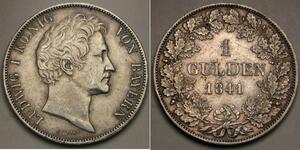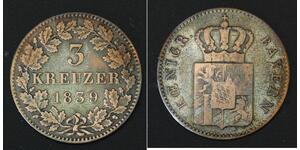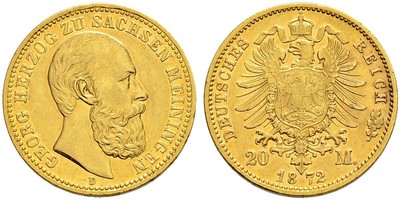
| Ludwig I of Bavaria (1786 – 1868) | Link to Wikipedia |
Ludwig I of Bavaria (1786–1868): History and Coinage
We invite you to examine the life of a sovereign who fundamentally altered the trajectory of southern Europe. Born in Strasbourg during tumultuous times, Ludwig ascended the throne after his father's death, inheriting a kingdom eager for reform. His tenure defined an era where artistic patronage and industrial progress walked hand-in-hand with royal authority.
Ludwig’s personal philosophy shifted dramatically over time. He began as a champion of liberal reforms in 1825 but adopted repressive measures by the late 1830s following French revolutionary movements that inspired unrest within Bavaria itself. This political evolution is often reflected subtly in numismatic records from his reign, where mint outputs varied depending on state budgets and royal decrees regarding civic imagery.
The Connection to Coinage
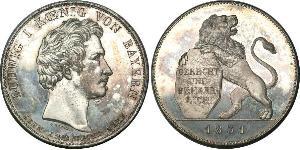
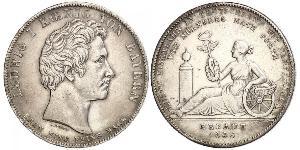
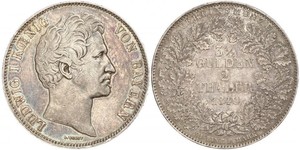
Virtually all silver denominations issued during this period bear his likeness. Bavaria was a major issuer in the region prior to Prussia's dominance, making these pieces essential for understanding regional currency history before 1873. The mint operated primarily from Munich and Ingolstadt, striking coins that facilitated trade across the Zollverein economic union.
Collections for Historical Enthusiasts
- Narrative Weight: Each piece serves as a tangible record of Bavaria’s transition into an independent power, distinct from French influence despite earlier wars. Collectors studying early German currency history prioritize these issues to understand the economic friction preceding national unification.
- Aesthetic Merit: The high relief and classical motifs appeal to collectors who appreciate artistic design on metal mediums comparable to his own architectural works like the Neue Pinakothek or Glyptothek. Studying die varieties reveals how engravers interpreted a king obsessed with Greek antiquity.
- Rarity Factors: Circulation pieces from 1834, shortly after joining the Zollverein economic union, are particularly sought-after by numismatists studying economic integration within Germany. The scarcity of high grades increases demand among historians examining pre-unification financial networks.