| Ferdinand II, Holy Roman Emperor (1578 -1637) | Link to Wikipedia |
Ferdinand II (1578–1637): History and Coinage
A Monumental Era of Counter-Reformation Rule
Ferdinand II stands as a pivotal figure in early seventeenth-century European history, serving as the Holy Roman Emperor from 1619 until his death. His reign was defined by intense religious fervor and the tumultuous backdrop of the Thirty Years' War. Born into a devout Catholic family within Inner Austria, he was educated to support Counter-Reformation measures rather than Protestant concessions.
Ferdinand viewed spiritual regulation as essential state function. As he ascended to power through complex succession negotiations involving his cousin Rudolf II and Philip III of Spain, his primary objective remained the restoration of papal influence across the Holy Roman Empire. His tenure saw a catastrophic loss of life for which recovery did not occur until decades later. This historical weight makes him more than merely another face on currency; he represents a specific political ideology that shaped modern Central Europe.
The Numismatic Legacy
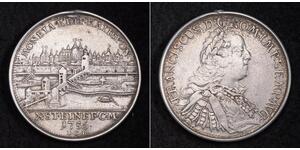
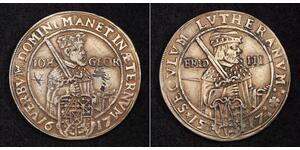
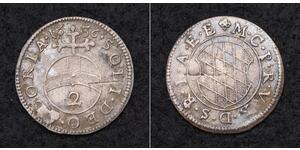
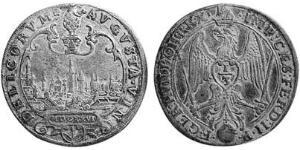
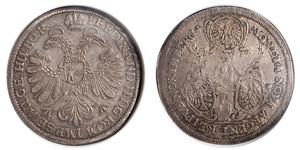
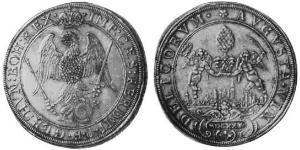
Coinage depicting Ferdinand was primarily issued by the Holy Roman Empire, alongside his domains in Bohemia and Hungary. Minting occurred throughout his active reign but also continued posthumously to complete historical records of imperial authority during periods when production lines were disrupted by conflict.
- The portrait on these coins emphasized royal legitimacy, often utilizing imagery associated with the House of Habsburg's divine right.
- Coinage helped finance defense against Ottoman incursions in Hungary and Croatia where he held command responsibilities.
- Silver issues circulated during times when political alliances shifted between Spain and Venice regarding Uskok War territory disputes.
The decision to place his name and image on currency was a practical assertion of sovereignty. During the Thirty Years' War, coins also served as instruments of propaganda among Catholic Estates who sought to rally support against Protestant factions opposing Ferdinand's religious agenda.
Why Collectors Value These Issues
Coin collectors prioritize these pieces for several educational reasons beyond simple scarcity. First, they provide a tangible link to the Counter-Reformation era. The artistic quality of early modern engravings from his reign demonstrates technical advancements in striking before later Rococo styles emerged.
Rarity is another significant factor for enthusiasts seeking depth in their collections. Wartime devastation often resulted in the melting or destruction of existing stock, particularly within territories affected by fighting such as Hungary and Bohemia. Finding a preserved piece offers insight into the economic resilience required to maintain state functions amidst war.
Furthermore, these coins are highly valued for inclusion in specialized imperial series collections. While not necessarily holding high market prices compared to ancient golds or rare Roman issues, they hold immense historical significance within European numismatics. Exploring Ferdinand's currency allows collectors to understand how a ruler's personal faith translated into political power and financial resources.