| Albert VII, Archduke of Austria (1559 - 1621) | Link to Wikipedia |
Archduke Albert of Austria (1559–1621): History and Coinage
Albert VII stands as a pivotal figure in the transition between Spanish imperial expansion and regional autonomy within Europe during the early seventeenth century. Born into nobility, he initially pursued religious orders but was recalled from Spain to govern territories during times of crisis before finally accepting sovereignty over the Low Countries alongside his wife Isabella Clara Eugenia.
Holding dual titles including Viceroy of Portugal earlier in life provided him administrative experience that distinguished his governance. His later tenure as Governor General of the Habsburg Netherlands was marked by a unique political reality: while funded and supported financially from Madrid, he managed military defenses against Dutch rebels without direct orders on tactics.
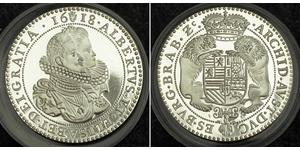
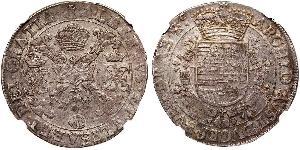
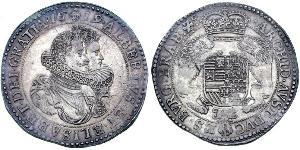
This complex arrangement influenced how power appeared to subjects through currency. Before becoming co-sovereigns in 1598 via the Act of Cession, coins circulating were technically minted for Philip II but bore Habsburg authority figures representing Spain's reach into these borders. Upon formal cession and assuming joint rule with Isabella, Albert became a primary figurehead on coinage intended to reassure local populations that their government retained its autonomy within the empire.
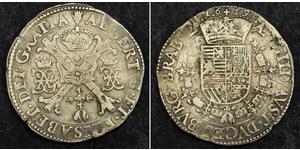
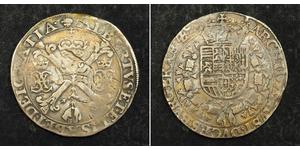
Collectors appreciate these issues because they represent a delicate balance of identity during active warfare periods known as the Eighty Years' War. Silver thalers minted in Antwerp or Ghent often display portraits emphasizing dignity over military prowess, contrasting sharply with other contemporary royal portraiture that glorified combat.
Rarity is achieved not merely through survival rates but historical context; pieces associated with this brief reign before his abdication to Ferdinand II carry significant narrative weight. Experts prize the distinct legends found on these coins which highlight titles of Archduke rather than King, preserving a specific layer of numismatic history that separates regional administration from direct Spanish royal minting.
Thus, acquiring pieces linked to this period allows enthusiasts to hold artifacts witnessing the decline of centralized monarchical power in favor of negotiated peace and distinct local identities. These coins serve as historical markers for understanding how trade persisted even when political landscapes shifted dramatically around 1609 during the truce, providing a tangible connection between history buffs and numismatic scholars.