| Wilhelmina of the Netherlands (1880 - 1962) | Link to Wikipedia |
Wilhelmina of the Netherlands 1880-1962: History and Coinage
The Reign of Wilhelmina:
In our galleries at this museum, we explore not only paintings but also the tangible artifacts that define a nation's identity. Queen Wilhelmina ruled for nearly six decades, establishing continuity in Dutch history from 1890 until her abdication in favor of Princess Juliana in September 1948. Her ascent to power was unique; she became queen at ten years old following her father King William III’s death. For several years, governance fell under the regency of her mother, Queen Emma, before Wilhelmina assumed full control over government affairs once she turned eighteen.
The historical weight attached to coins depicting this monarch cannot be overstated. Her reign was marked by significant global upheaval, including World War I and a difficult struggle during World II when the Netherlands fell under German occupation from 1940 until her return in 1948. As head of government-in-exile based in Britain, she became an international symbol of resistance against fascism.
Currency as Historical Record:
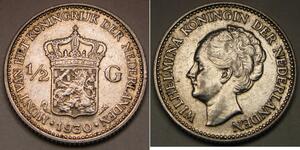
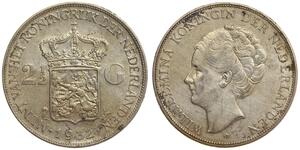
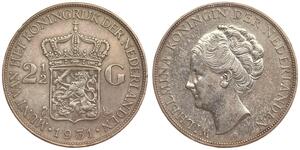
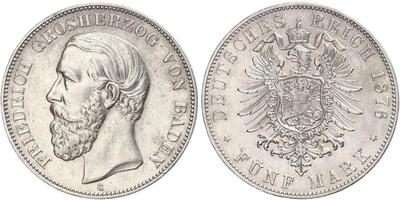
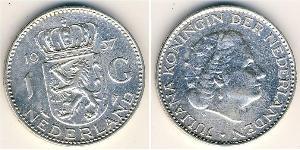
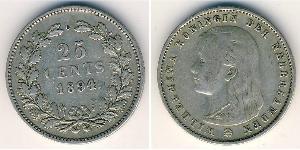
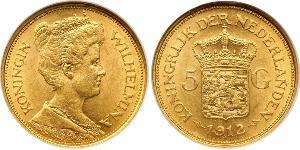
The Dutch Royal Mint issued currency featuring Queen Wilhelmina’s portrait throughout the majority of her rule and into post-war years. These denominations ranged from small copper fractions to silver guilders used in commerce across the Netherlands, its colonies such as Suriname, and trading partners during peacetime.
The Portrait Evolution
Nearly half a century after accessioning at age ten, her coinage reflected the passage of time. Early issues displayed a youthful sovereign symbolizing grace and stability needed to maintain peace with neighboring Germany before 1939. Post-World War II designs often portrayed an older woman who had survived exile, mirroring how she returned to a liberated nation rather than fleeing again.
The Collector’s Perspective
- Narrative Value: Collectors prize these pieces for the story of survival during World War II. A coin minted immediately after liberation carries less commercial scarcity but high historical narrative value compared to standard pre-war issues.
- Design Artistry: The artistic quality improved over time, with engravers capturing her facial features more realistically in later decades rather than the stylized depictions common during her youth. This allows enthusiasts to see how portrait art evolved alongside national trauma and renewal.
Holding a guilder or centime featuring this figure connects an individual directly to centuries of Dutch resilience against external threats, making them valuable educational tools for understanding economic history intersecting with sovereignty issues across the twentieth century. These pieces remain important additions to any specialized numismatic portfolio focused on modern European monarchs and wartime survival.