| Justinian I (482-565) | Link to Wikipedia |
Justinian I (482 – 565): History and Coinage
The Emperor Justinian stands as a monumental figure in late antiquity, serving Rome for forty years with unmatched ambition and energy. Born near modern Niš to peasant parents, he was adopted by his uncle, the reigning emperor Justin I, who brought him from Thrace to Constantinople after ensuring an education focused on jurisprudence. Despite early opposition regarding his background—specifically marrying a former actress in Theodora—he became one of history’s most complex rulers. His reign defined the end of late antiquity through ambitious military reconquests that restored Italy and North Africa, alongside a legislative overhaul known as the Corpus Juris Civilis. This legal code survives today as the foundation for many modern civil law systems.
The Numismatic Legacy
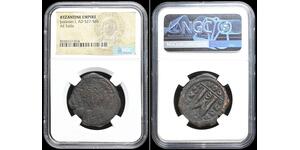
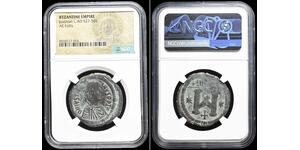
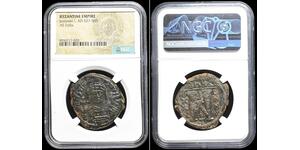
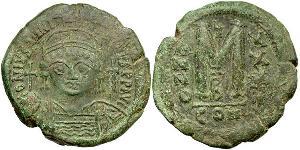
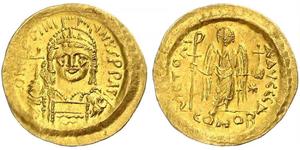
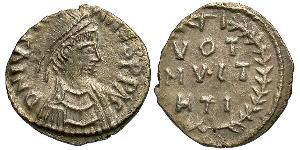
During Justinian’s tenure, gold solidi were minted in vast quantities to fund his wars and stabilize commerce across the Eastern Mediterranean. His name appears on coins primarily during the reign itself (527–565), representing imperial authority under a specific theological interpretation where divine favor validated military success.
- Mint Locations: Coins were produced in major cities including Constantinople, Antioch, and Rome after its reconquest.
- Imagery Evolution: Early portraits show youthful features while later issues reflect the aging of a ruler who worked tirelessly until death at age 83. Many depict him wearing military regalia alongside symbols like globus cruciger or victory crowns following Belisarius’ campaigns.
The transition from silver to gold coinage during this period marked significant economic shifts, with the solidus becoming a stable currency that influenced European finance for centuries. Collectors often trace specific historical events on these pieces through legend changes indicating victories over Vandal or Ostrogothic forces.
Why These Pieces Matter
Beyond their monetary value in modern markets, Justinianic coins offer tangible connections to the preservation of Roman civilization. Enthusiasts seek high-grade specimens because survival rates are lower than expected given their heavy circulation during active war periods that disrupted minting operations.
- Rarity and Condition: Survival of gold from this specific era is exceptional, with pristine examples commanding attention due to the scarcity relative to bronze issues.
- Cultural Continuity: These artifacts demonstrate how Byzantine aesthetics merged Roman tradition with emerging medieval styles in artistry.
We encourage you to examine these historical tokens. Holding a Justinianic solidus connects modern observers directly to the era where law was written, territory reclaimed, and cultural identity preserved amidst shifting empires. Exploring their varieties reveals how an ambitious emperor projected his vision of restoration across continents through metal currency.