| Louis III, Grand Duke of Hesse | Link to Wikipedia |
Louis III: History and Coinage
Welcome to an examination of Louis III, Grand Duke of Hesse and by Rhine. His tenure as a ruler defined a pivotal era within German history, marking the transition from independent regional governance toward unification under Prussian influence. As we explore his life dates from 9 June 1806 to 13 June 1877, we also delve into why this historical figure remains visible on modern currency collections and numismatic archives.
The Historical Context
Louis ascended the throne in Darmstadt following his father's abdication during the revolutionary climate of 1848. His reign was not merely a period of ceremonial authority but involved navigating complex diplomatic landscapes against emerging Prussian power structures. During critical moments, such as the Austro-Prussian War in 1866, he sought intervention from Queen Victoria to mediate his position with King Frederick William IV.
The political situation forced Hesse-Darmstadt into difficult choices regarding its sovereignty after losing territories and aligning closer to Prussia. These geopolitical shifts significantly impacted the design and mintage of coins issued during his rule. His personal life, including a first marriage without children that ended with her death in 1862, further colored his diplomatic approach until he passed at Seeheim.
The Relationship Between Ruler and Currency
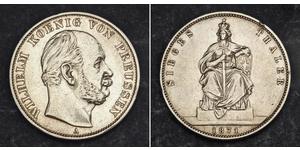
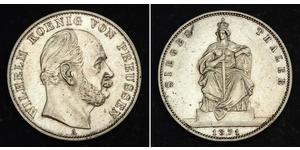
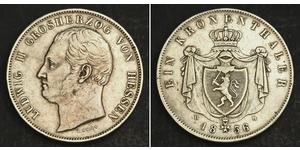
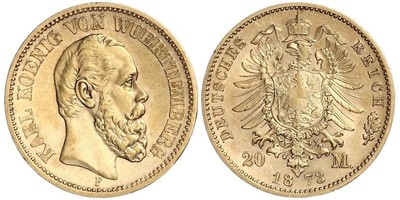
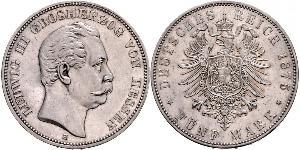
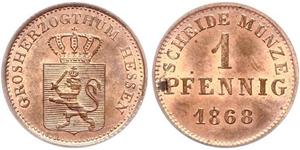
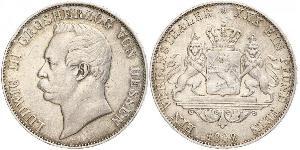
Coinages bearing his likeness were minted to assert the dignity of Hesse as a Grand Duchy. While the specific mintage numbers are often scarce due to these political changes, the portrait serves as proof of sovereignty before 1870.
- Coins issued during this period demonstrate how regional identities persisted even as Germany unified politically under different monarchies like Prussia later on.
- The shift in designs following the war reflects collectors' interest in tracking state autonomy and political evolution through visual changes.
Why These Coins Matter
Coin enthusiasts are often drawn to these issues because they bridge personal history with national movements. The artistic qualities of the engraving combined with historical rarity make them sought after pieces for regional collections.
Louis III represents a fascinating chapter where monarchs tried to balance local tradition against imperial pressure. Owning these coins allows collectors to hold physical evidence of that transition, ensuring future generations understand how German statehood evolved during the 19th century through the eyes of their Grand Duke Louis.