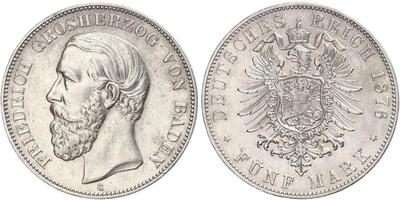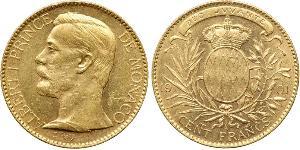
| Albert I, Prince of Monaco (1848 - 1922) | Link to Wikipedia |
Albert I (1848–1922): History and Coinage
Prince Albert I of Monaco reigned during a transformative era in early twentieth-century Europe, serving as an oceanographer and reformer who navigated his principality through significant political modernization. Born in Paris but ruling from the Mediterranean coast, he evolved Monaco into a constitutional state before the First World War ended many European monarchies. His scientific pursuits alongside naval leadership made him one of the most distinguished heads of state during the Belle Époque period.
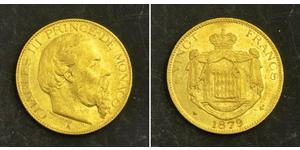
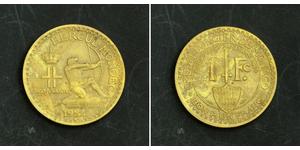
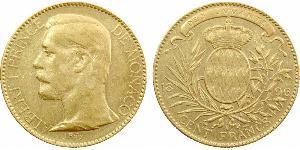
The Principality of Monaco issued currency featuring the Prince's likeness to symbolize sovereignty and economic prosperity under his governance. As constitutional reforms were introduced in 1911, coin designs evolved to reflect a new era of liberal monarchy rather than absolute rule. These issues often appeared alongside French or European colonial coins during a time when Monaco sought distinct independence while maintaining diplomatic ties. The portraits on these metallic pieces commemorate the stabilization brought by his second wife and their partnership which secured economic footing for the state. Collectors should look for dates between 1890 and 1925 to find specimens depicting the Prince actively reigning or shortly thereafter, representing a specific transition in European numismatics where personal iconography became central to national identity.
Why are these pieces sought after by historians and investors? Beyond market value which fluctuates based on mint marks and grades, their significance lies in historical documentation of early statehood. The era represented the tail end of royal authority before global conflict reshaped borders. Artistic quality is high compared to industrial coinage standards; designs often featured elaborate heraldry or profile portraits befitting a naval officer-scientist. Furthermore, these coins act as tangible artifacts from World War I neutrality debates, preserving memory of Monaco's humanitarian efforts despite being under siege politically and economically. For the novice collector, acquiring even one piece connects them to this singular figure who pioneered oceanography while governing a city-state. Exploring such currency helps contextualize how science, art, and governance intertwined during Europe's most turbulent decades.