| Pope Leo XII (1760 - 1829) | Link to Wikipedia |
Pope Leo XII (1760–1829): History and Coinage
Introduction:
Annibale della Genga served as the spiritual leader of the Catholic Church from 1823 until his death in February 1829. His pontificate was defined by a period of intense conservatism within the Papal States, following the turbulent era of Napoleon and the Congress of Vienna. While he reigned for less than six years due to persistent ill health, Leo XII left an indelible mark on ecclesiastical history as a ruler who personally endured significant pain while maintaining administrative focus.
Relationship to Coinage
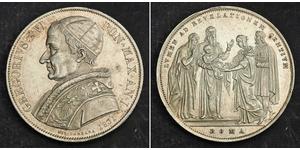
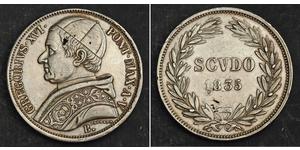
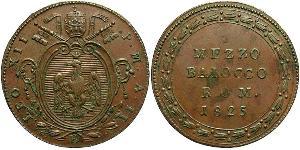
The authority of the Papacy was often asserted through currency. The Kingdom and States of the Church, under Leo XII's administration, produced various denominations used for daily commerce within Rome and its territories. Although no specific coin type is detailed in general historical records beyond standard papal issues of that era, his name appears on silver and copper pieces struck to fund state operations during a financially difficult time.
Coinage from this period serves as numismatic evidence of the transition between conservative ecclesiastical rule and emerging liberal ideologies. While Leo XII personally reduced taxes for simplicity in his household management, he was unable to resolve broader financial confusion within the treasury. Consequently, coins bearing his portrait were circulated to maintain economic stability during a time when foreign powers often opposed papal authority. The use of these images reinforced legitimacy against external political pressure and internal disorder.
Why Collectors Value These Coins
- Rarity due to Tenure: Because Leo XII's reign was brief, the volume of coins produced specifically under his direct order is often limited compared to predecessors with longer pontificates. This scarcity makes examples from this specific era particularly sought after by specialists.
- Historical Context: Collectors prize these pieces for their connection to a pivotal moment in Italian history just prior to the unification movements of the later nineteenth century. They represent an attempt to preserve traditional order before significant political changes occurred.
Nearly all numismatics value artifacts that connect physical objects with major historical narratives. A coin from this era represents the intersection of personal frailty and religious authority during a time when external forces threatened independent governance. By examining these items, collectors gain insight into how leadership was communicated in an age before modern mass media.
We encourage enthusiasts to pursue examples that show clear portraits or inscriptions linking back to Annibale della Genga's brief but impactful service as the Vicar of Christ for a portion of the 1820s. Their preservation allows us to touch upon history at its most tangible level, bridging religious administration with everyday economic life in early nineteenth-century Europe.