| Victor Emmanuel I of Sardinia | Посилання на Вікіпедію |
Victor Emmanuel I of Sardinia, 1759–1824: History and Coinage
For history enthusiasts, the reign of Victor Emmanuel I represents a critical juncture in Italian statehood. Serving as Duke of Savoy and subsequently King of Sardinia from 1802 to his abdication in 1821, he stood at the forefront of European transformation during the Napoleonic era. His rule is defined by a struggle between revolutionary liberal ideals and traditional monarchy, culminating in the return of Piedmont after Napoleon's defeat.
The Restoration King
Victor Emmanuel ascended to power following the abdication of his brother, Charles Felix' predecessor. His tenure was marked by a significant shift from French-imposed liberal codes back to rigid traditional structures upon returning to Turin in 1814. The Congress of Vienna reconstituted his realm with territorial gains like Genoa and Monaco as a protectorate. While he initially aligned with revolutionary sentiments against Austria, the eventual explosion of Carbonari revolutionaries forced him off the throne.
A Legacy in Silver and Gold
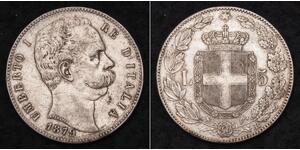
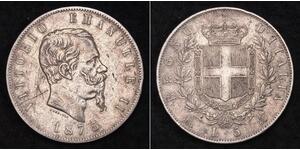
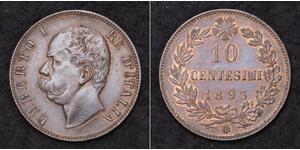
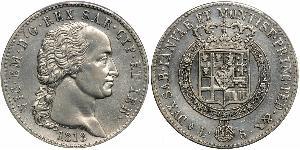
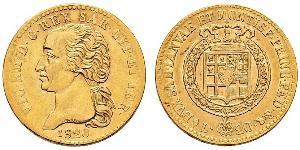
The coinage of Victor Emmanuel's reign reflects his political pivot from liberal reform to reactionary rule. Following 1814, he issued currency designed to emphasize restored sovereignty rather than French occupation marks. These pieces often featured the traditional double-headed lion or similar Savoyard symbols alongside royal busts in profile and face view.
The portrait style utilized on these medals and small-change items served a specific purpose: it visually reasserted authority after twelve years of rule from Cagliari while navigating diplomatic changes at Vienna. The coins acted as propaganda, celebrating the restoration of Piedmontese territories to his family domains rather than acknowledging the Napoleonic republics that had held sway over Italy.
Rarity and Appeal
For collectors studying early modern numismatics, Victor Emmanuel's pieces offer a tangible connection to this volatile period. The historical importance lies in their ability to document his refusal to grant constitutions despite pressure from revolutionaries. This political stance makes these items educational tools regarding the failure of early Italian liberalism.
The appeal extends beyond simple scarcity; each issue chronicles the struggle for autonomy against foreign powers like France and Austria before modern nation-states formed. Collectors value coins that link directly to major historical shifts, such as those minted immediately after his return from captivity or following the annexation of Genoa. Exploring these items allows enthusiasts to understand how currency was weaponized by monarchs to maintain stability in a crumbling empire.