| Paul von Hindenburg | Link to Wikipedia |
Paul von Hindenburg (1847–1934): History and Coinage
In the annals of modern German history, Paul Ludwig Hans Anton von Beneckendorff und von Hindenburg stands as a towering figure who bridged an era of imperial tradition with the chaotic rise of National Socialism. Born in 1847 into Prussian nobility, he distinguished himself through military prowess during World War I and subsequent political acumen as President of Germany from 1925 until his death in 1934.
Hindenburg represents a unique transition period for collectors: the decline of the Weimar Republic. While primarily an ideological opponent to Hitler, he facilitated the Nazi appointment through constitutional procedures that many historians view as the tipping point toward totalitarianism. To understand this historical weight requires examining not just his battlefield commands at Tannenberg but also how state authority was visually projected onto national symbols.
The Numismatic Footprint
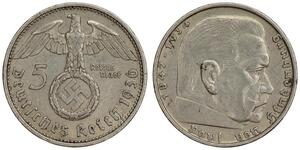
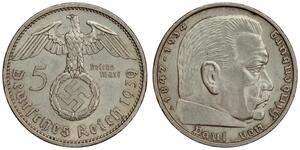
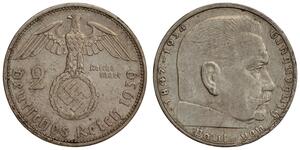
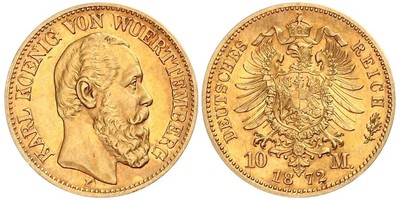
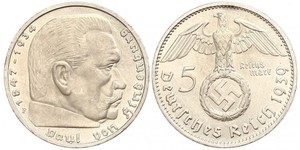
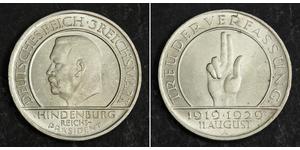
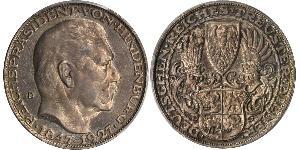
Hindenburg's likeness served as a powerful symbol of German unity and presidential power during the early 1930s. While standard circulation coins of this era often displayed military eagles or coats of arms, Hindenburg himself was most prominently depicted on high-value banknotes issued by the Reichsbank. However, numismatic collectors also track specific medals and commemorative marks produced after his death in 1934.
The inclusion of such imagery occurred because he embodied a massive personality cult cultivated during the war years. As President, images of him on currency helped solidify public confidence amidst economic instability. Collectors find significance in these pieces not merely as art but as physical evidence of the political maneuvers that led to 1936 and subsequent regime changes.
Collections for History Enthusiasts
Why are items bearing Hindenburg's image so desirable within specialized numismatic circles? Several factors contribute their enduring appeal:
- Historical Context: These pieces document the twilight of traditional German authority and its shift toward dictatorship.
- Rarity due to War: Many original mintings were destroyed or melted for precious metals during World War II, making surviving examples rare artifacts of peace before 1934.
- Aesthetic Interest: The designs often featured detailed portraits reflecting the era's classical artistic trends in state representation.
For those entering this niche field, exploring these currency and medallic items offers a tangible link to one of Europe's most turbulent periods. Whether examining original notes or related commemorative medals, enthusiasts can better grasp how historical figures are immortalized through the medium they controlled—coins and paper alike.