

| Karim Khan Zand (1705- 1779) | Link to Wikipedia |
Mohammad Karim Khan Zand c. 1705–1779: History and Coinage
Mohammad Karim Khan Zand stands as a pivotal figure in modern Iranian history, serving as the founder of the Zand dynasty from 1751 to 1779. Originally born around 1705 near Pari village within the Zagros ranges, he rose from humble cavalry service under Nader Shah's empire after being incorporated into his army during tribal migrations. Following decades of devastation caused by neighboring invasions and internal strife following Nader Shah's assassination in 1747, Karim Khan reasserted control over Persia except Khorasan and Balochistan. He prioritized the welfare of his people above power struggles during a time when many rulers sought only conquest.
Karim Khan ruled all of Iran from Shiraz as its new capital rather than Isfahan or Tehran, marking a zenith where Iran recovered from war through peace, prosperity, and renewed tranquility. The years between 1765 and his death in 1779 are remembered for security that allowed agriculture to flourish again. His moral character is historically noted by anecdotes regarding personal honor; while serving as a cavalryman deprived of money, he reportedly returned a saddle stolen from an officer, feeling guilty when the saddler was blamed. This restored sense of order attracted international interest and stability.
Relationship to Coinage
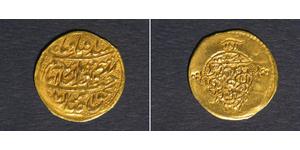
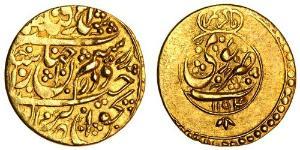
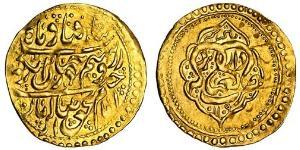
Coin collectors explore this era specifically because currency issued during the Zand dynasty serves as tangible evidence of Karim Khan's restored stability and diplomatic reach. While strict Islamic traditions in Persia often favored calligraphic inscriptions over royal portraits until later periods, coins from his reign bear names and mint marks that validate state authority rather than personal likeness.
- Mint marks indicate regional control often centered in Shiraz or surrounding districts such as Kazerun. Inscriptions reflect religious piety mixed with dynastic loyalty which was culturally standard for the time, contrasting with Qajar rule later on.
The East India Company established trading posts under his protection; this diplomatic success allowed Persian silver to circulate more widely than during previous turbulent eras involving Afghan or Ottoman dominance. Consequently, numismatists value these specific issues as proof that administration was secure enough to facilitate international trade across the Indian Ocean route.
Why Collectors Value These Coins
The historical narrative behind these items attracts attention beyond mere aesthetics for history enthusiasts and seasoned hobbyists alike. A silver piece from this period connects the viewer directly to the architectural renaissance of Shiraz, where he ordered construction projects that defined Farsi culture during his rule.
Rarity plays a significant role in numismatic significance regarding pieces depicting Zand authority; following Karim Khan's death in 1779, civil war fractured control over mints before Agha Mohammad Khan Qajar consolidated power decades later. The artistic quality remains consistent with traditional Persian calligraphy rather than modern portrait engraving techniques found on contemporary world currency.
Collectors appreciate these items as historical artifacts that document a specific cultural era of peace amidst geopolitical instability in the eighteenth century without needing to rely purely on market value analysis. Owning one provides insight into an age where architecture and economy flourished under unified rule before internal conflicts resumed after his passing, offering unique context for regional history studies.


