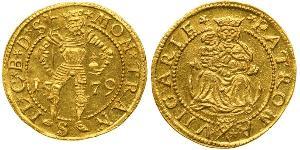
| Christopher Báthory (1530-1581) | Link to Wikipedia |
Christopher Báthory (1530–1581): History and Coinage
A Note from the Curatorial Desk:
Christopher Báthory stands as a pivotal figure in early modern Central European history. Born at the castle of Szilágysomlyó, he entered public service under Queen Isabella Jagiellon before becoming the Voivode of Transylvania during the reign of his brother, Stephen Báthory. His career was defined by complex diplomacy and religious administration. He commanded armies against Habsburg forces in 1562 and later worked to suppress Unitarian theological movements while supporting Jesuit education at Kolozsvár. Christopher navigated the delicate balance between Ottoman suzerainty and internal autonomy, signing charters that emphasized peace along frontiers until his death.
The Numismatic Connection:
Ties to Coinage
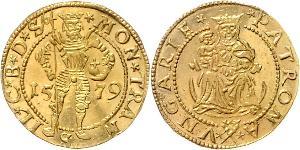
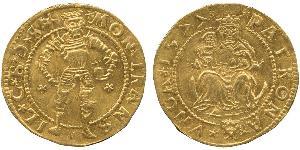
Numerous collectors focus on the broader Báthory family, but Christopher appears primarily in specialized numismatic collections. While his brother Stephen held sovereign power over Poland and Hungary, Christopher’s authority was regional as Voivode of Transylvania. Consequently, coins directly depicting him are rare compared to portraits bearing royal titles.
- Circulation Context: Pieces issued or authorized during his administration often bear the coat of arms associated with local governance under Stephen’s Kingship.
- Medals and Commemoratives: Many specimens feature Christopher as a subject rather than a monarch. Medals were struck following his appointment confirmed by Sultan Selim II in Gyulafehérvár, marking the official administration period of 1576 to 1581.
- Lifetime and Posthumous: While he did not rule as an independent king like a Roman Emperor might have expected from mint records, medals were produced to commemorate his leadership during religious controversies involving the Jesuits. These items often circulated posthumously after his burial in Gyulafehérvár.
The Curator’s Insight on Collecting:
Rare Historical Artifacts
Serious collectors prize these artifacts not for market value, but for the stories they hold. Christopher represents a unique moment in history where religious orthodoxy and frontier security were managed under Ottoman oversight.
A coin or medal bearing his likeness is often one of few items that allow scholars to verify local administrative authority during this transition period between Hungarian Kingdoms and Transylvanian autonomy. The artistic quality typically reflects diplomatic attire, referencing the international education he received in France and Italy as a youth. Finding such pieces helps enthusiasts understand how power was visually represented when sovereignty shared with larger empires like Poland or Rome.
In conclusion, Christopher Báthory’s numismatic footprint is smaller than that of other monarchs but carries significant weight for specialists studying the religious and political consolidation of Eastern Hungary during the late 16th century. Each piece offers a glimpse into an era where faith and frontier defense were intertwined under noble leadership.