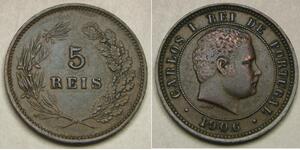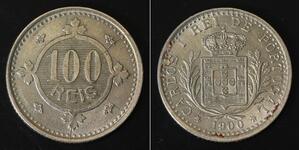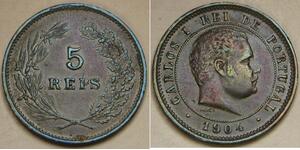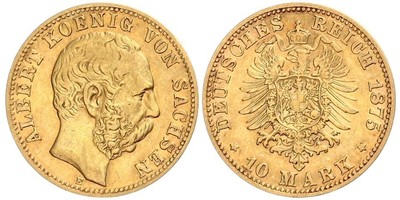
| Carlos I of Portugal (1863-1908) | Link to Wikipedia |
Carlos I (28 September 1863 – 1 February 1908): History and Coinage
In the annals of Portuguese monarchy, few figures embody the complexities of modernization as profoundly as Dom Carlos I. Referred to affectionately by his contemporaries as "the Diplomat" or even "the Oceanographer," this member of the House of Braganza ruled from 1889 until his tragic assassination in February 1908. His reign was a pivotal bridge between an aristocratic past and the rapidly evolving European nation-states, characterized by constitutional governance and intense scientific curiosity.
Born into royalty as Prince Carlos Fernando Luís Maria Víctor Miguel Rafael Gabriel Gonzaga Xavier Francisco de Assis José Simão, his life was marked by both high station and vulnerability. He faced significant challenges early on, including diplomatic pressure regarding marriage that kept Portugal aligned with the United Kingdom rather than traditional German partners. Domestically, he navigated through economic instability, facing bankruptcy in 1892 and again in 1902 which strained national pride over colonial ambitions like the Pink Map.
The end of his reign was cut short by violence on a Lisbon square, making him only the second Portuguese head of state to die violently since Sebastian. This event marks not merely personal tragedy but the final curtain for the monarchy as it stood; within two years, the Republic would replace their dynasty entirely. For numismatists examining this era, coins issued during his lifetime serve as tangible records of a kingdom on the precipice of revolution.
The Numismatic Legacy
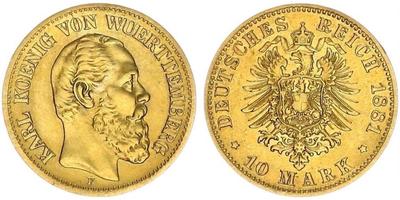
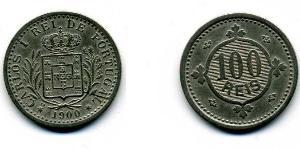
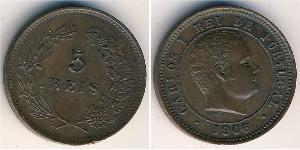
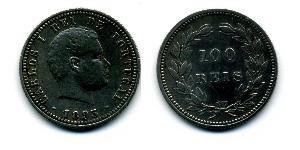
During Carlos I's rule and briefly after his death until Manuel II ascended the throne, copper-nickel pieces and gold escudos bearing royal portraits circulated through Portugal. These coins often featured the King alongside national symbols reflecting his personal interests in science and maritime exploration.
- Era of Transition: Collectors value these items not only for their metal but as markers of a specific constitutional timeline that ended abruptly after 1908.
- Rarity Factor: Because his reign concluded in chaos with assassination, the number of circulated coins from this specific monarch is limited compared to longer-reigning predecessors or successors who sat out decades without upheaval.
The artistic designs on these pieces reflect late-nineteenth-century mint standards. They capture a moment where Portugal was trying to balance colonial prestige with domestic stability before the monarchy fell in 1910. Understanding Carlos I helps collectors appreciate why specific denominations from this period are significant:
- Historical Context: The coins represent an era of national bankruptcy and renegotiation of borders, grounding them as historical artifacts.
- Cultural Significance: They depict a monarch who was deeply involved in oceanography rather than war, distinguishing these pieces from more militant iconographies found elsewhere.
For those beginning to explore Portuguese currency, focusing on Carlos I offers insight into the final years of imperial Portugal. Each piece carries weight beyond its face value; they represent a nation that had just lost its king by bullet and was shortly thereafter losing its crown itself.