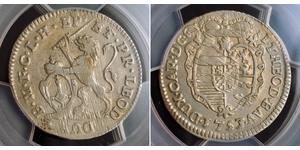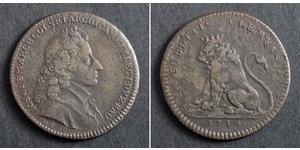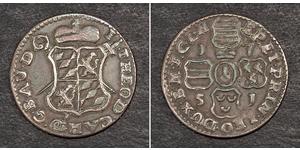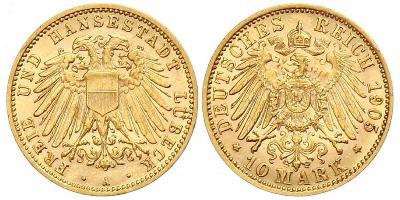
| Maximilian II Emanuel, Elector of Bavaria | Link to Wikipedia |
Maximilian II Emanuel 1662–1726: History and Coinage
In the annals of European history, few figures define a region quite like Maximilian II Emanuel, Elector of Bavaria (ruler from 1679 to 1704) known affectionately as Max. Born in Munich on July 11, 1662, he was a Wittelsbach prince-elector whose life intersected with every major conflict of the late seventeenth and early eighteenth centuries. A skilled soldier who defended Vienna against Ottoman forces by 1683, his reputation grew during campaigns across Europe, most notably securing Belgrade in 1688 while leading Serbian insurgents.
Ambition drove Max to seek territories beyond Bavarian borders, serving as the last governor of the Spanish Netherlands and Duke of Luxembourg. Despite initial successes where he protected the Rhine frontier for Emperor Leopold I, his political trajectory shifted with disastrous consequences during the War of the Grand Alliance and the subsequent succession crisis in Spain following Charles II. Following a defeat at Blenheim in 1704, Bavaria was partitioned between Austria and Palatinate. Max eventually regained his lands under French pressure after 1712 but died before securing all political dreams he once nurtured.
The Connection to Coinage
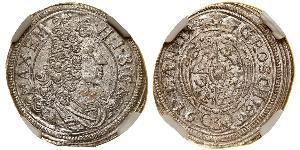
Nearly every Elector in the Holy Roman Empire struck coinage, yet Maximilian II Emanuel stands out due to the instability of his reign. Coins depicting him were issued primarily by the electors' authority within Bavaria during periods when he held direct rule before and after 1705. Additionally, as a claimant to Spanish sovereignty under Habsburg connection and Governor of the Netherlands, medals or specific denominations reflecting these titles exist historically.
The portrait on his currency was essential for asserting dynastic power amidst fragmentation. Following expulsion from Munich in 1704 when he fled court due to French influence taking over government duties until restoration later, minting rights ceased temporarily or transferred to administrators acting as regents. This interruption of standard issues makes coins struck under his name during the early eighteenth century particularly significant markers of interrupted sovereignty.
Coin Collector Appeal
Collectors value these issues for several reasons beyond mere scarcity. First, numismatic specimens from Bavaria minted during this era often exhibit a transition in artistic style matching Max's patronage of the arts under Joseph Effner and François de Cuvilliés. As noted by his architectural projects shifting Italian design to French Rococo influence between 1684 and 1715, contemporary medals reflect similar stylistic evolutions visible on coin surfaces.
Rarity adds significant allure due to the tumultuous nature of his reign where borders shifted repeatedly after partitioning. Coins from specific periods post-restoration carry a narrative arc for collectors studying political survival within European numismatics. Ultimately, owning pieces attributed to Maximilian II Emanuel allows enthusiasts to physically hold fragments of history during one of Europe's most volatile centuries.