| Louis I, Grand Duke of Baden (1763 - 1830) | Link to Wikipedia |
Louis I (9 February 1763 – 30 March 1830): History and Coinage
In early nineteenth-century Europe, stability in German states was often measured by intellectual advancement rather than military might. Louis I served as Grand Duke of Baden from eighteen hundred and eighteen until his death in 1830. His reign is significant because it bridged the gap between traditional feudal monarchy and modern state administration. As a member of the House of Baden, he inherited territory that became pivotal for German industry following industrialization.
Beyond succession issues where the Zähringen line ended with his passing in 1830, Louis is celebrated for patronizing public education rather than solely accumulating wealth. Working closely with architect Friedrich Weinbrenner, he reshaped Karlsruhe into a center of classicism that mirrored his vision of order and progress.
The Numismatic Legacy
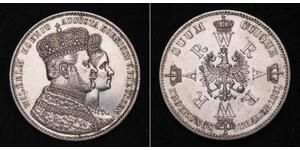
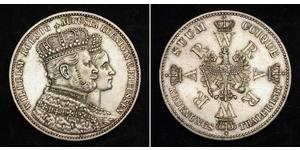
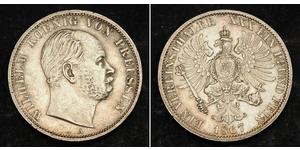
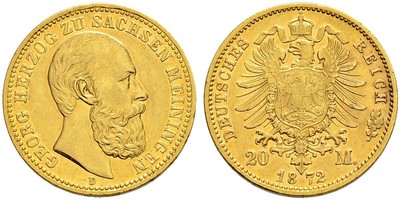
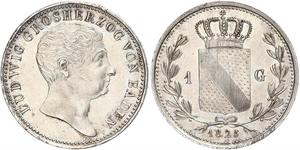
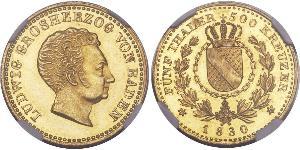
Coinage from this era represents a tangible link to the consolidation of German states prior to unification. During Louis's lifetime, official currency bore imperial designs featuring portraits intended to convey legitimacy among European investors. While most surviving issues were struck by local mints within Baden or authorized regional centers near French borders during times of relative peace, these coins facilitated international travel trade.
The decision to place his portrait on silver and copper denominations was pragmatic; the state needed trusted currency for a populace that had recently recovered from Napoleonic disruption. Although he is known as Louis in English historiography, contemporary German legends typically referenced Ludwig. Collectors encounter both names depending on whether they examine original strikes or modern reproductions.
The Appeal to Numismatists
Possessing coins with this Grand Duke's image offers more than financial value. They serve as primary sources for understanding the cultural shift in Baden from a regional princedom into an industrialized duchy under constitutional constraints. These items allow historians and collectors alike to observe how political reforms materialized physically.
- Educational Context: Specimens often feature imagery referencing state-sponsored institutions like the University of Freiburg, aligning visual arts with civic improvement programs from his era.
- Rarity Factors: High-quality proofs struck immediately following 1830 are particularly sought after because they represent a transitional period before succession passed to Leopold II and then subsequent morganatic heirs who altered the design entirely.
Evaluating these historical artifacts encourages deeper appreciation for how minor European states managed economic resilience during turbulent political shifts. By examining coins from Baden, collectors connect directly with an era of architectural beauty and industrial growth that defined southern Germany's heritage long after Louis ceased his reign.