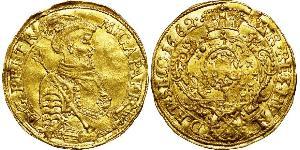
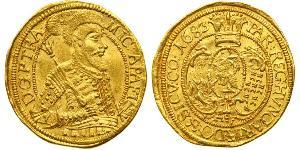
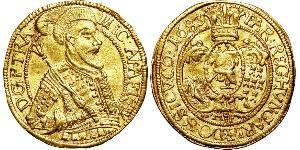
| Michael Apafi, Prince of Transylvania (1632 - 1690) | Link to Wikipedia |
Michael Apafi (1632-1690): History and Coinage
In early modern Europe, no figure embodies the political complexity of Transylvania quite like Prince Michael Apafi. Born in 1632 into a noble family that lost its father at an early age, his life was marked by resilience during times of significant turmoil. Following a period as a prisoner where he waited for funds to secure freedom under Ottoman captivity conditions, Michael ascended the throne amidst civil unrest and foreign pressure from both Vienna and Constantinople. His reign stabilized Transylvania after a chaotic decade following George II Rákóczi's fall.
The Relationship Between Apafi and Currency
Museum visitors often ask why such sovereigns appear on coins, especially those of lesser-known principalities than France or the Empire. Michael Apafi ruled during a transition era where Transylvania was subject to Ottoman suzerainty yet sought Habsburg protection from 1658 onward.
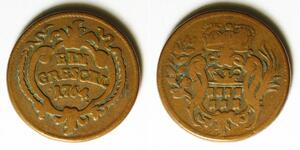
Currency struck under his administration serves as tangible evidence of this unique geopolitical balancing act. While direct minting authority fluctuated due to war and tribute obligations, the coins associated with his era reflect attempts at local sovereignty within an Ottoman-Habsburg buffer zone. These pieces are not merely denominations but diplomatic signals; a coin bearing princely names or dates suggests a momentary assertion of autonomous rule against external mandates.
The scarcity of mint output during Michael Apafi's time explains why many specimens were produced in smaller mints rather than centralized workshops, often utilizing silver brought from local sources. For collectors studying Eastern European numismatics, the transition between Venetian-influenced styles and older Ottoman patterns on coins dated to his reign offers a snapshot of cultural exchange.
The Appeal for Collectors
Collecting pieces related to this period is driven by more than just rarity. The historical context behind Michael Apafi's coinage tells the story of 17th-century borderland resilience. A piece bearing his rule dates back to a time when local defense was crucial against Tatar raids and imperial invasions.
- Rarity:
- The turbulent years of his accession mean that high-quality circulating silver is historically uncommon, making surviving pieces unique artifacts.
Historical Narrative:
Serendipity and historical importance often coincide in these acquisitions. By studying the coinage associated with Michael Apafi, enthusiasts gain insight into how a small principality managed to maintain dignity through diplomatic maneuvering without becoming fully vassal states. These items offer a rare physical connection to the complex history of Central Europe's political evolution.